
 Boston, Massachusetts
 LinkedIn
 Google Scholar

Faiq Shaikh is a physician trained in nuclear medicine and medical informatics. After a nuclear medicine residency at the University of North Carolina at Chapel Hill, he completed fellowships in molecular imaging at the University of Iowa and in imaging informatics, and has worked in clinical neurological and cancer imaging.
His research covers quantitative imaging, radiomics and the use of machine learning in medicine, including work as a physician researcher at the University of California, San Francisco, and he has more than 70 publications. He now works in pharmaceutical research and development, where he has led imaging biomarker work on more than ten phase I–III clinical trials.
Faiq Shaikh has contributed to these articles
Physical Symptoms
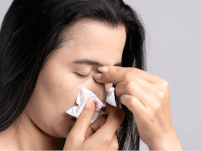
Bleeding Nose: An Unusual Anxiety Symptom
Anxiety rarely causes a nosebleed by itself, but the blood pressure rise during an anxiety attack can make one heavier or longer. See how to prevent it.
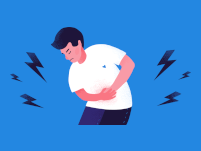
How to Stop Anxiety Stomach Pain & Cramps
Can anxiety cause stomach pain? Learn how fight or flight and stress hormones upset digestion, causing cramps and a nervous stomach, and what helps.
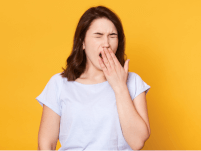
Yawning Caused by Anxiety
Yawning a lot is a common anxiety symptom, especially with anxiety attacks, and not only from fatigue. See why it happens and how it can raise anxiety.
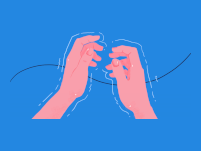
Anxiety And Shaking
Shaking is one of the clearest signs of anxiety. Learn why adrenaline makes your body tremble, why moving can use it up, and how to reduce the shaking.
What To Do When Anxiety Causes Jaw Pain
Sore jaw in the morning? Anxiety can make you clench or grind without noticing. A dentist can check for other causes, and a few habits help it relax.
How Anxiety Affects Your Nose
Runny nose, tingling and even nasal tics can come from anxiety, and simple anxiety relief often improves them. Here's how anxiety affects the nose.

How Anxiety Can Induce Joint Pain
Joint pain can come with anxiety and is never its only symptom. See how anxiety and joint pain are linked, why the pain is real, and what helps.


Other Symptoms
How Anxiety Can Cause Drooling/Spitting
Anxiety can increase saliva and sometimes lead to drooling or spitting. See the 3 possible links, simple ways to ease it, and when to check with a doctor.
Swollen Tongue: A Strange Anxiety Symptom
Your tongue feels swollen, but anxiety doesn't actually swell it. It creates the sensation and can change how your tongue moves. See what eases it.
When Anxiety Leads to Urinary Problems
Needing to pee more when you're anxious is a real, common effect of stress, and worrying about it keeps the cycle going. See how to break that cycle.
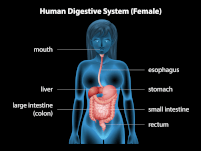
How Anxiety Causes Esophagus Problems
Anxiety can cause esophagus problems, both physical ones like tight muscles and sensations your brain misreads. See the common issues and what helps.
Digestive Problems and the Effects of Anxiety
Digestive problems are among the most common effects of anxiety. See which ones anxiety causes, why the gut reacts, and strategies to control them.


Sensations

Anxiety, Cold Sensations and Chilliness
Cold sensations and chills are common with severe or chronic anxiety, most often after sweating. Changing your breathing rate may help you warm up.
Feeling Shaky: A Common Sign of Anxiety
Feeling shaky is a common sign of anxiety, caused by adrenaline rushes and longer-term stress. See what reduces the shaking and why prevention helps.
4 Ways to Prevent Pins and Needles From Anxiety
Pins and needles, or paresthesia, is a common anxiety symptom often linked to hyperventilation. These 4 steps can help prevent the tingling.

How Anxiety Causes Lack of Air/Breathlessness
Feeling short of breath is a common, harmless anxiety symptom caused by fight or flight. See why it happens and how to stop it making attacks worse.


Related Medical Issues
Can Anxiety Cause Seizures and Do Seizures Cause Anxiety?
Worried your panic attacks could be seizures? For most people they're not. Here's how anxiety and epilepsy can affect each other.
How Anxiety Can Mimic Angina
Anxiety can cause chest pain that feels like angina. Any heart pain needs a doctor first. See how anxiety mimics angina and how to tell them apart.


Help & Advice

12 Do’s and Don’ts of Helping Someone With Anxiety
Supporting someone with anxiety? These 12 do's and don'ts show which well-meant habits can make anxiety worse and what really helps them cope.
11 Things That Make Anxiety Worse
Doing everything you can and anxiety still gets worse? These 11 common habits could be feeding it, and spotting them is the first step to change.


Mental-Cognitive Symptoms
How Anxiety Can Cause Distorted Reality
Anxiety can make the world feel unreal or distant, known as derealization. Noticing that reality feels off is itself a sign it's anxiety. See what helps.
How to Stop Anxiety And Unwanted Thoughts
Thoughts you don't want keep popping into your head? It happens with every type of anxiety, not just OCD. These simple strategies help quiet them.


Panic Attacks
Can Panic Attacks Kill You?
No, panic attacks can't kill you, even when it feels like you're dying. See why the symptoms feel so dangerous and how to ride them out.
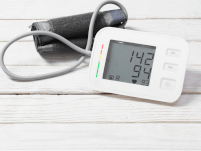
Do Panic Attacks Affect Blood Pressure?
Blood pressure does rise during panic attacks, usually briefly. See why it happens and whether you need to worry about it.


More topics
What is the Difference Between Anxiety and Depression?
Anxiety and depression overlap, and you can have both. Here's how to tell them apart and why knowing which you have matters for treatment.
5 Main Reasons for Anxiety After Eating
Anxious or panicky after a meal? It's more common than you'd think: digestion can set off sensations that feel like danger, and you can break the link.

B Vitamins that ACTUALLY Work for Anxiety
Some B vitamins may have a mild anti-anxiety effect, mainly if you're deficient, but they are no substitute for medicine. See which ones have support.
Why Anxiety Causes Detachment
Anxiety can make you feel physically, emotionally or mentally detached, including depersonalization. Here's why it happens and how to reconnect.
How Anxiety Can Create Hallucinations
True hallucinations are rare with anxiety, but intense anxiety can bring mild sound, smell or visual distortions. See the causes and when to get help.

How Are Hormones And Anxiety Related?
Hormones play a real part in anxiety, alongside brain chemistry and life events. See how hormone changes can trigger or worsen anxiety.


