
Emma Loker
BSc Psychology, PGDip Child and Adolescent Psychotherapeutic Counselling
 London, United Kingdom
 LinkedIn

Emma Loker is a child and adolescent therapeutic counsellor and mental health writer. She holds a first-class BSc in Psychology from Aston University (2019) and a postgraduate diploma (PGDip) in Child and Adolescent Psychotherapeutic Counselling from the University of Cambridge (2023). Before her counselling training, she spent two years at an autism-specialist school as a teaching assistant, residential support worker and form tutor.
In her work with children and young people she takes an integrative approach, using play and the arts to explore emotional difficulties. As a writer she turns psychological research into clear, practical guidance. For Calm Clinic she has written about the physical side of anxiety, from shaking and shivers to rapid breathing, and about everyday ways to cope, such as mindfulness and the 3-3-3 rule. She has also ghostwritten a book on OCD and anxiety.
Emma Loker has contributed to these articles
Physical Symptoms

Heartbeat in the Ear & Anxiety
Hearing your heartbeat in your ear is called pulsatile tinnitus. See what causes it, whether stress and anxiety can, and when to see a doctor.

Why is my Body Shaking for No Reason?
Body shaking for no clear reason is called a tremor and can come from anxiety or other causes. See the types of tremor, what causes them, and treatment.

What are Stomach Butterflies?
Stomach butterflies are a normal fluttering feeling from nerves or excitement. See why they happen and when they may be a sign of anxiety.

Why Am I Crying for No Reason?
Crying for no clear reason can come from stress, hormones, anxiety or depression. See the possible causes and ways to cope with unexplained tears.

Anxiety and Rapid Breathing: What’s the Link?
Anxiety speeds up your breathing, and with an anxiety disorder that rapid breathing can persist. See the symptoms, health effects and treatment options.

How to Cope With Anxiety Shivers
Anxiety can make your whole body shake and shiver as part of the stress response. See why anxiety shivers happen and how to cope with them.


Therapies & Solutions

Is my therapist tired of me?
Worrying that your therapist is tired of you is common. See 4 signs something may be off and 4 things you can do to get therapy back on track.

How to Use Mindfulness to Reduce Anxiety
Mindfulness is a well-researched way to reduce anxiety by changing how you respond to stress. See how it works, how to practice, and its limits.

The 3-3-3 Rule for Anxiety
The 3-3-3 rule is a simple grounding technique for anxiety: name 3 things you see, 3 sounds, and move 3 body parts. See how and when to use it.
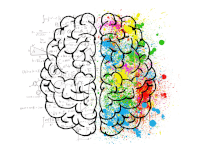
The Malleable Brain: Does Anxiety Rewire Your Brain?
Anxiety can change how your brain works, but the brain is malleable and can change back. See how anxiety affects the brain and what you can do.

Coping with Anxiety: If You Ignore It, Will It Go Away?
Ignoring anxiety rarely makes it go away, and avoiding it can strengthen it. See why, and what to do instead of shutting it out.


Disorders

Does Exercise Reduce the Risk of Depression?
Exercise can lower the risk of depression and anxiety, alongside its many physical benefits. See how it helps and ways to stay motivated.
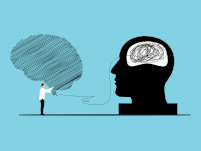
Is Anxiety an Intellectual Disability?
Anxiety and intellectual disability are separate, yet they often appear together. Here's how they relate and why the evidence is mixed.


More topics

Weird Anxiety Symptoms Most People Don't Know About
Anxiety has many symptoms beyond worry and a racing heart. See weird anxiety symptoms most people don't know about and why they happen.

How to Stop Thinking About Something
Trying to push a thought away often makes it stick. See practical steps to break the cycle of rumination and move on from a thought you can't shake.

Do I Need Help? When To Seek Mental Health Support
Mental health support isn't only for diagnosed conditions; therapy can help anyone. See signs it may be time to seek help and the types of support.

Is Online Dating Harming Your Mental Health?
Online dating can affect your mental health, for better and worse. See its impact on anxiety and self-esteem and how to date online more healthily.

How Does the Gut Regulate Emotions?
The trillions of microbes in your gut may help regulate your emotions. See what the gut microbiome does and how it's linked to mood and anxiety.
Does Fear Make You Less Immune?
Chronic fear and anxiety can weaken your immune system, making you more prone to infection. See how it happens and ways to protect your health.
When Does Anxiety Turn to Anger?
Anxiety can switch to anger in a flash, surprising you and those around you. See why it happens, how the two emotions differ, and how to manage it.


