



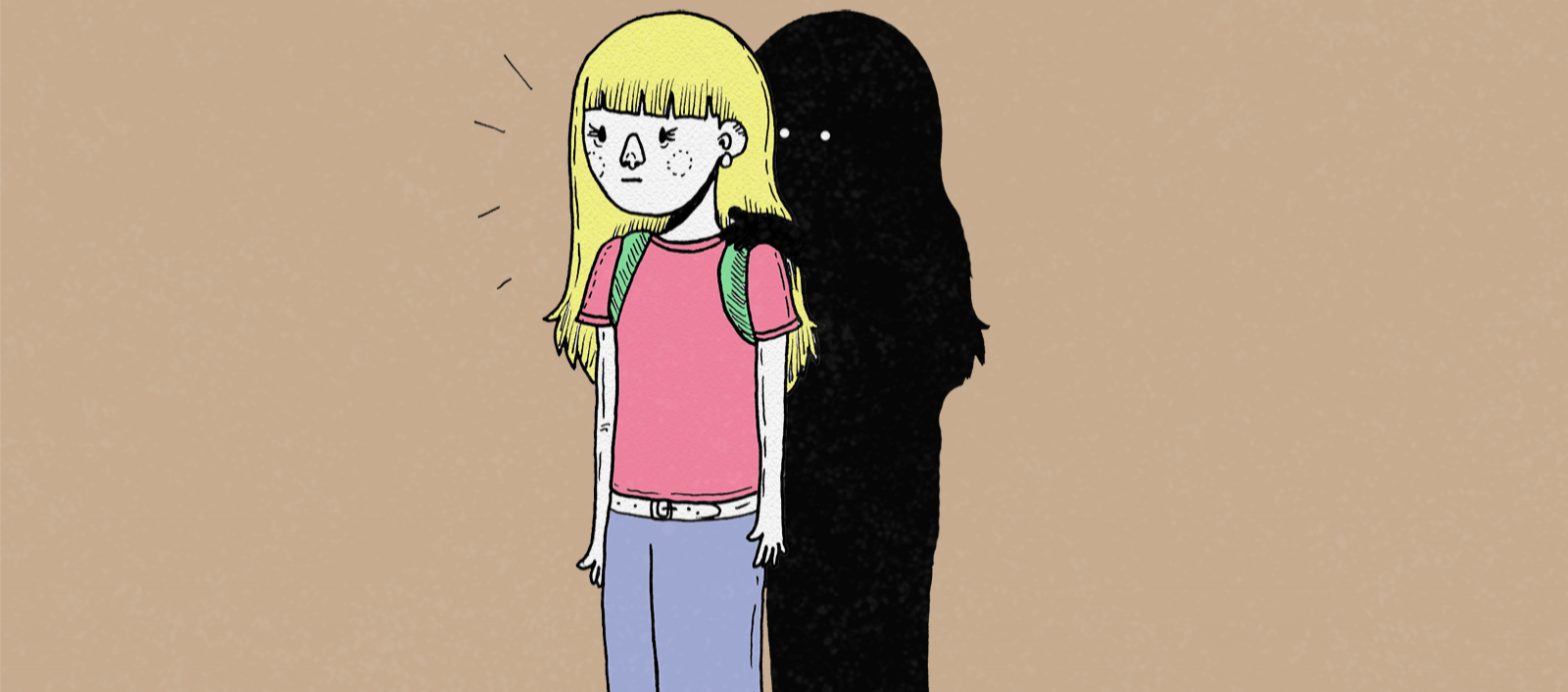
Many people have anxiety triggers. Whether you have panic attacks, post-traumatic stress disorder, severe generalized anxiety disorder, obsessive compulsive disorder, or some type of phobia, there are likely things in your life that trigger intense anxiety. They may be:
- Thoughts and worries.
- Physical sensations/changes in your body.
- Sounds or sights.
Different types of anxiety have different types of triggers, but regardless of your specific trigger, there are issues that come up in your life that create severe anxiety.
You need to find a way for these triggers to stop affecting you. Counseling can be a big help, as cognitive behavioral therapy is an effective solution for changing thought patterns and behaviors, but it doesn't always help you control your reaction to the trigger. For that, some counselors use desensitization.
What is Desensitization?
Desensitization is a process designed to reduce the exaggerated responses (triggers) that cause severe anxiety when you suffer from an anxiety disorder. Through various desensitization processes, your mind and body get used to the triggers so that they no longer create the same involuntary anxiety reaction.
It's best to perform desensitization techniques under the guide of someone with experience. It's not as simple as exposing yourself to the anxiety trigger over and over again. You need a plan, and some way to help calm yourself down when you experience that level of anxiety.
But you can try to perform desensitization in the comfort of your own home, and you may find that - in some cases - you can effectively reduce the severity of your anxiety triggers.
How to Get Started On Your Personal Desensitization Plan
Desensitization requires exposure to your fear, either in a progressive or a controlled manner. Your specific plan depends on the type of fear and the degree that it affects you. Since your fear can be real or imaginary, the best way to understand how to get started involves first figuring out what type of trigger you have. Let's look at two examples:
- Dizziness Those that experience anxiety attacks may experience dizziness. That dizziness can trigger further anxiety, which in turn can make panic attacks worse. Even though the person may already have anxiety, the trigger for further anxiety is a real sensation - dizziness - that the person has to target.
- Snakes For a phobia like snakes, you may think the fear is real - after all, snakes are real - but the fear is actually imaginary. Chances are you don't encounter snakes every day, and most snakes aren't dangerous, but if you fear snakes to the point where it affects your life (and if the idea of snakes causes fear, even if a snake isn't there) then the fear is imaginary.
Try to figure out what your triggers are. If the idea of them causes fear, chances are it is an imaginary fear. If you actually experience the issue first hand, then the fear may be real. In some ways, it could be a combination of both. Figuring this out is the first step.
There are four steps towards desensitizing yourself to your triggers and fears. They include:
Preparation
The first step is preparation. This involves both mental preparation and crafting a plan. First, you need to make sure you're ready for this and you need to make sure you can commit to it. It's actually possible to increase your fear if you expose yourself to the trigger and don't follow through with your desensitization plan.
You also need to make sure you know in advance what you're going to do and how you're going to do it. You don't want to let your fear stop you from doing everything you need to do desensitize yourself, which means you also need to have a plan/project in place based on your research into desensitization that will help you prepare for the road ahead.
Initial Exposure
Once you're ready, it's time to get started. There are two different techniques used for desensitization therapy, which we will describe below, but before you begin make sure you've written down on paper your view of how much the triggers bother you.
Most people have more than one trigger, and you'll want to solve one before you move on to another. Use a 1 to 10 scale, where 10 is "severe anxiety" and 1 is "no anxiety." Write down each and every trigger, and then put them in a hierarchy so that you can combat them one at a time, starting with your worst trigger. Always start with your worst, because your worst fear often contributes to other fears. Then do one of the following:
- Progressive For imaginary triggers, start with a progressive desensitization plan. This is best for phobias. If you're afraid of spiders, for example, then sit and think about a scary spider or look at a paper with a photo of a spider. Keep looking at it, and while you do, try to calm yourself down. Don't look away - just imagine and/or look at a picture of a spider and get yourself used to the experience, so that eventually the picture of a spider doesn't scare you.
- Controlled When you have a real trigger, use a controlled desensitization plan. Let's use the dizziness example again. Here, you'll spin yourself around in a chair until you feel dizzy. It may cause you some anxiety, and that's okay, but you need to experience being very dizzy. The goal of this strategy is to continue experiencing it until you get used to it and your mind and body don't experience as much fear when you feel dizziness.
Remember, only do one trigger at a time. Your end goal is to make sure that the trigger only causes a 1 or 2 on the anxiety scale before you move on to the next one.
Repeat Exposure
Every day (or whenever possible), continue exposing yourself to the fear. If you're using the progressive desensitization technique, wait until each individual cause of fear stops causing as much anxiety. Let's use the spiders as an example:
- Start with thinking about spiders. Once thinking about spiders doesn't affect you, move on.
- Move on to looking at a photo. Once the photo stops affecting you, move on.
- Move on to looking at different photos. Once they stop causing anxiety, move on.
- Move on to looking at YouTube videos of spiders. Once they stop causing anxiety, move on.
- Move on to looking at actual spiders. Once they stop causing anxiety, move on.
- Move on to touching or being close to a spider. Once it stops causing anxiety, you may be done.
Progressive desensitization involves ramping up towards what causes you the most fear. It's not always a great idea to skip right to the end, because the fear can be too pronounced. Gradual - especially for imagined fears, is much better.
For real fears, or those that benefit better from controlled desensitization, continue the same controlled technique (making yourself dizzy, in this case) until it simply stops causing you anxiety. Then move on to your next trigger. Those with panic attacks often have many different triggers based on physical sensations, so it will take a while to stop them all.
Maintenance
Anxiety and fears can come back if you don't keep at it. So the final step is maintenance. Once you've completely reduced your anxieties in these areas, schedule a time one a month or so to perform all of these again just once (touching a spider, making yourself dizzy, etc.) and see if they create any anxiety. If not, then great - you're still in the clear. If they do, write down how much anxiety they create on your scale and work with them again until it's back to a 1 or 2.
Performing Desensitization On Yourself
It's possible to desensitize yourself on your own, in the comfort of your own home. But generally it's advised that you do it in the presence of experts. Psychologists are trained to provide this type of therapeutic assistance to those that are struggling to control their anxiety, and often they can provide you with personalized calming strategies to help you while you're trying to desensitize yourself to the fears.
But some people do choose to perform these techniques on your own, and if you do decide to go that route, make sure you take the time to commit to it and follow the steps above.


 Trusted Source