



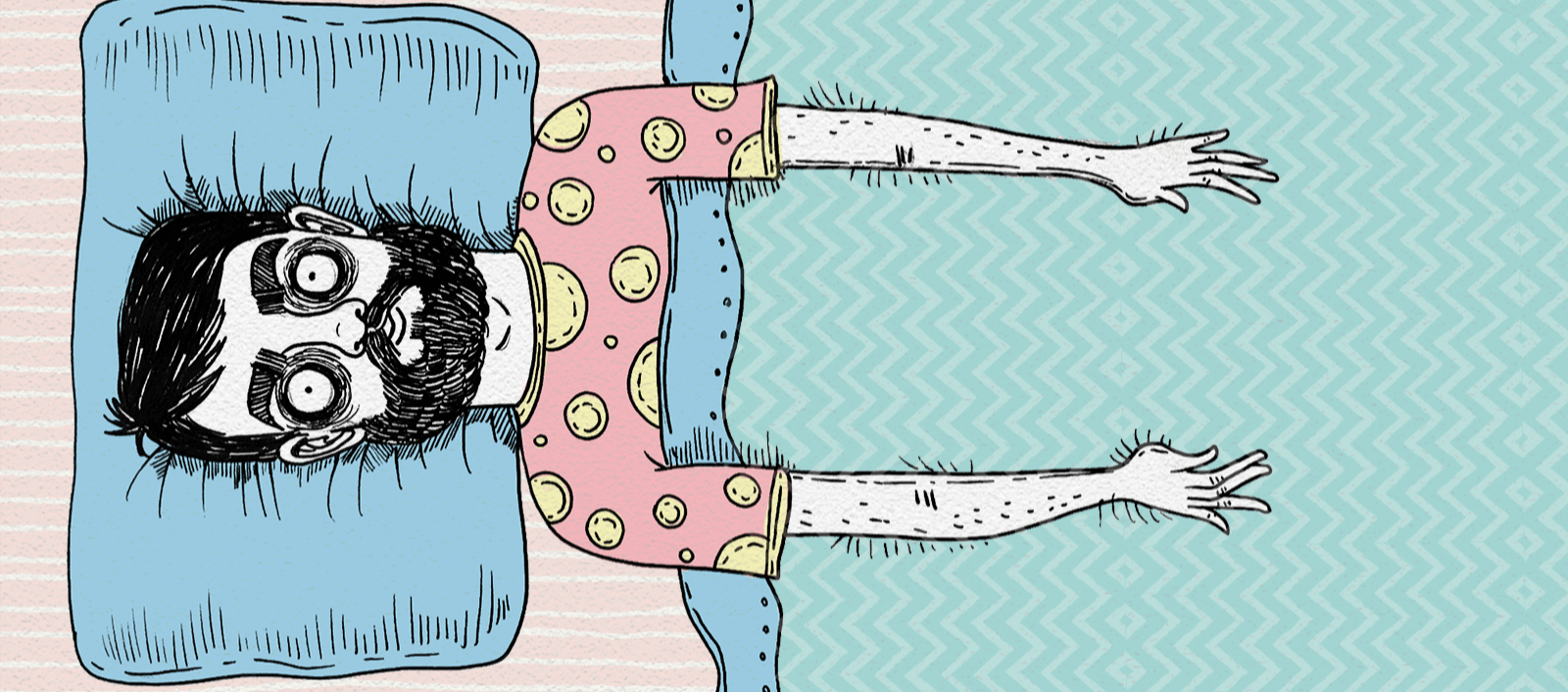
When you sleep your mind and body relax, so the next day you're sharper and able to withstand some of life's daily stresses. For those with anxiety however, sleep is not always easy to come by.
Sleep problems are extremely common in those with persistent stress, and in many cases it can actually cause a cycle that makes it harder to overcome anxiety in the future.
Why Anxiety Causes Sleep Problems
Anxiety can affect sleep in a variety of ways. Nearly every symptom of anxiety has the potential to disrupt your ability to sleep since sleep is only possible when your body and mind are relaxed.
Sleep problems may be caused by any number of factors. These include:
- Racing Thoughts Racing thoughts may be one of the most common causes of sleep disorders in those with anxiety. Thoughts often race because of stress, even though the thoughts themselves may not be stress related. Those with stress may simply struggle to stop focusing on thoughts, regardless of the topic.
- Racing Heart/Body Anxiety can engage the sympathetic nervous system which is responsible for the fight or flight response. This causes energy and adrenaline to spread through your body. When your body feels like it's on edge it is very difficult to reach the level of relaxation required for sleep.
- Muscle Tension Anxiety also causes tremendous physical tension in your muscles - tension that can be incredibly problematic. Individuals who have anxiety may not even realize that they are tense. That muscle tension makes it difficult to fall asleep.
- "Needs" Especially common in those with obsessive compulsive disorder, you may feel like you have worries or things you need to complete, which prevents you from sleeping. Compulsions may keep you up later than you wanted or may cause you to feel like you need to do something like watch TV or take care of something on your to do list before trying to go to bed.
- Other Anxiety Symptoms Those who experience anxiety do so in a multitude of ways, many of which can contribute to lack of sleep. Shortness of breath may make it difficult to relax or cause you to worry about your health. Weak limbs may make you feel less comfortable. Sweating, chills, or hot flashes can make you uncomfortable. All of these, and more, can contribute to difficulties falling, or staying, asleep.
Often those with severe anxiety also have negative thoughts which may make relaxation, a key part of falling asleep, difficult to attain.
How to Sleep With Anxiety
Sleep problems are extremely common for those struggling with anxiety. Ideally, you'll need to focus on reducing your anxiety and stress in general so that you're less consumed by the negative thoughts and experiences, and can drift off to sleep more easily.
There are tips and strategies you can use to get more rest with anxiety. Consider the following:
- Journal Writing One successful tool is journal writing. People may see journal writing as important for kids, but writing your thoughts in a journal has an effect on your ability to sleep as well. Your brain is a fascinating thing, and when your mind knows that you have written a persistent thought down (one that keeps you awake), it will feel better about letting the thought go, knowing that it's in a permanent place. Any time you have a thought that won't leave your mind, try writing it in a journal.
- Melatonin Supplement Melatonin is a chemical in your brain that aids in falling and staying asleep. Some find that taking an over the counter melatonin supplement can be helpful in getting a better night’s rest. You should be sure to consult with a physician before taking melatonin and for correct dosage instructions, particularly if you are taking other medications.
- Daily Jogging or Exercise At least 3 to 4 hours before you go to sleep (and possibly as early as the morning), try to get out for a long jog. Jogging is actually a natural anxiety reduction strategy, and one that releases endorphins that calm the mind and body. But beyond that, jogging tires the muscles, so when you go to bed they will be much less tense. If jogging is not something you are interested in, try another form of exercise which increases heart rate and exerts a good amount of physical energy, as it will have the same effects as jogging.
- Essential Oils Some people have found that diffusing essential oils in an essential oil diffuser by their bed at night aids in better sleep. Lavender, cedarwood, vetiver, and chamomile are a few that have been found to relax the body, making it easier to fall asleep.
- Drink a cup of tea It sounds simple but slowly drinking a cup of non-caffeinated tea such as chamomile or valerian tea can help to relax both your mind and body. There are also “sleep” or “nighttime” blends that are available.
Mental distractions can also be beneficial, especially for heavy sleepers. Some people find that turning on radios, podcasts, or television sets, and putting the volume as low as possible so that you can barely make out the words can be helpful. Your mind tries to listen to the distraction, causing it to stop focusing on the stressful thoughts, and ultimately you're able to fall asleep.
This solution does not work for everyone, however.
Another important thing that you can do is to create a bedtime routine. It can be difficult to go through your daily activities and then get into bed and just turn everything “off”. By giving yourself an hour before you want to fall asleep to go through the same motions every night you train your brain and your body to prepare for sleep. This in turn can make it easier to both fall, and stay asleep.
Unfortunately, these tips are likely not enough. You still need to stop experiencing anxiety so that sleep comes much more naturally.


 Trusted Source