



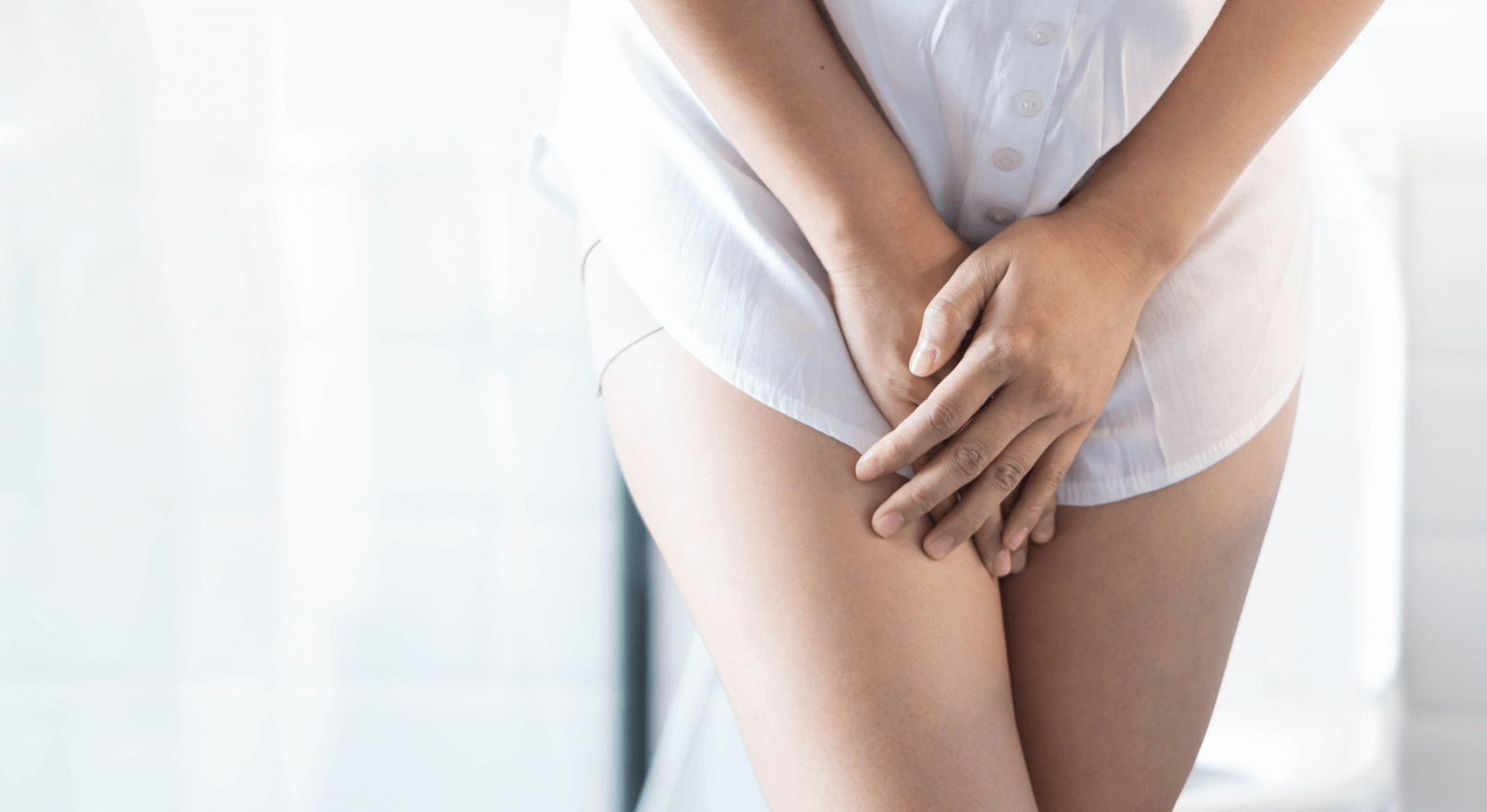
Anxiety can be a self-sustaining mental health problem. Often the signs and symptoms of anxiety lead to feelings of stress or fear, which in turn leads to further anxiety. This loop is one of the main reasons treating anxiety requires such a commitment, otherwise it will keep cycling and possibly get much worse.
One sign of anxiety that causes a great deal of stress is urination. Frequent urination can be a sign of a more serious health issue, like diabetes, but it may also be caused by intense anxiety.
Fear and Urination
There are two types of anxiety urination. There is instant urination that genuinely occurs during moments of complete terror, and there is frequent urination, which is the sensation of needing to urinate often without necessarily drinking excess water/liquid.
Instant urination is a common symptom of severe phobias or fears. If someone points a gun at you, for example, it's not uncommon to urinate as a reaction to the fear.
This is essentially caused by an overloaded nervous system. Your body goes into fight or flight mode, and it needs to prepare so many different things at once that it can't handle them all, and the area of your brain that controls urination essentially shuts off.
Causes of Anxiety-Related Frequent Urination
There are several beliefs for what causes frequent urination from anxiety. It is likely that several, or even all, of these factors play a role. Some of the most common theories on anxiety-related frequent urination are:
- Muscle Tension This is one of the most likely causes of frequent urination. When you have anxiety, your muscles get very tense. This tension puts pressure on your bladder, which in turn makes you feel like you need to urinate more than you would otherwise.
- Evolutionary Adaptation Another theory is that there is an evolutionary reason that frequent urination would be advantageous. Remember, anxiety is the misfiring of your fight/flight system. In times of fear, urination may keep the body lighter by losing extra weight, making it easier to flee.
- Light Overload It's also possible that, because anxiety is a misfiring of the fight/flight system, your body may simply be lightly overloaded. The fear is not intense enough to cause immediate urination, but it may make it harder for you to feel like you can hold it back.
Also, those with anxiety are more prone to focusing on different sensations unintentionally. There are often times when you may feel the need to urinate slightly but your body has no problem ignoring the feeling and holding it back. With anxiety, it's possible that your brain is focused on the sensation, potentially causing you to feel like you need to urinate more than you do.
Finally, anxiety can also change your body chemistry, altering your digestion and changing the way you process nutrients. That may cause more water to pass through your body.
Frequent Urination From Anxiety is Not Diabetes
If you haven't been to a doctor in years, it's always a good idea to have yourself checked out. If you suffer from frequent urination, this may be a sign of diabetes. However, if you have had your blood sugar levels checked and they are normal, you do not need to worry about this being the cause of your frequent urination.
Many people with anxiety fear the worst, which means they fear diabetes - a common and frightening cause of frequent urination. But diabetes urination is different. It doesn't usually develop overnight, and the frequent urination comes all throughout the day - even multiple times at night.
The chances of rapidly developing severe diabetes with urination problems after having healthy levels of blood sugar is very small. If you have healthy blood sugar levels, anxiety is much more likely the cause.
Thoughts on Anxiety and Urination
Urination from anxiety isn't something that you simply cure on its own. Drinking less water can only cause dehydration, which may lead to more anxiety.
Avoiding foods and drinks that may increase urination, like coffee and alcohol, can be helpful. It won't make a huge difference, but diuretics do increase urination which will make water pass through your body more quickly.
You should also try to relax your muscles, especially your abdominal muscles. Try an exercise known as "Progressive Muscle Relaxation." Progressive muscle relaxation is a stress reduction exercise that involves tiring the muscles to relax the body in a slow, orderly fashion. The idea is that by progressively eliminating muscle tension, a person will feel better both physically and mentally It involves the following:
- Stand up straight and balanced against both legs.
- Tense the muscle in your right foot as hard as you can for 10 seconds.
- Release your muscle.
- Tense the muscle in your left foot as hard as you can for 10 seconds.
- Release your muscle.
- Continue with each muscle in your body, one at a time, until you've tensed your face muscles.
This should help to reduce your overall muscle tension. However, ultimately the best option for reducing your anxiety-related frequent urination is to work on treating the cause—learning to manage your anxiety.
SUMMARY:
Anxiety, especially chronic anxiety, causes more than nervousness alone. The fight or flight system can overwhelm the brain and body, leading to excessive urination, frequent urination, and many other urinary challenges. Some relaxation techniques may be able to reduce these difficulties, but the only way to solve them is to address the anxiety itself.


 Trusted Source