



Can Anxiety Cause Muscle Twitching?
There's no denying that anxiety affects your body. One way it can wreak havoc is through muscle twitches. Whether it's something as small as a finger or as large as your entire leg, twitching is incredibly common.
Anxiety muscle twitching can be a strange sensation. In some cases, your muscle may even move involuntarily. For those suffering from serious anxiety, this symptom can cause a lot of concern, especially in those with health anxiety, since muscle twitches are associated with some frightening disorders.
What is Muscle Twitching?
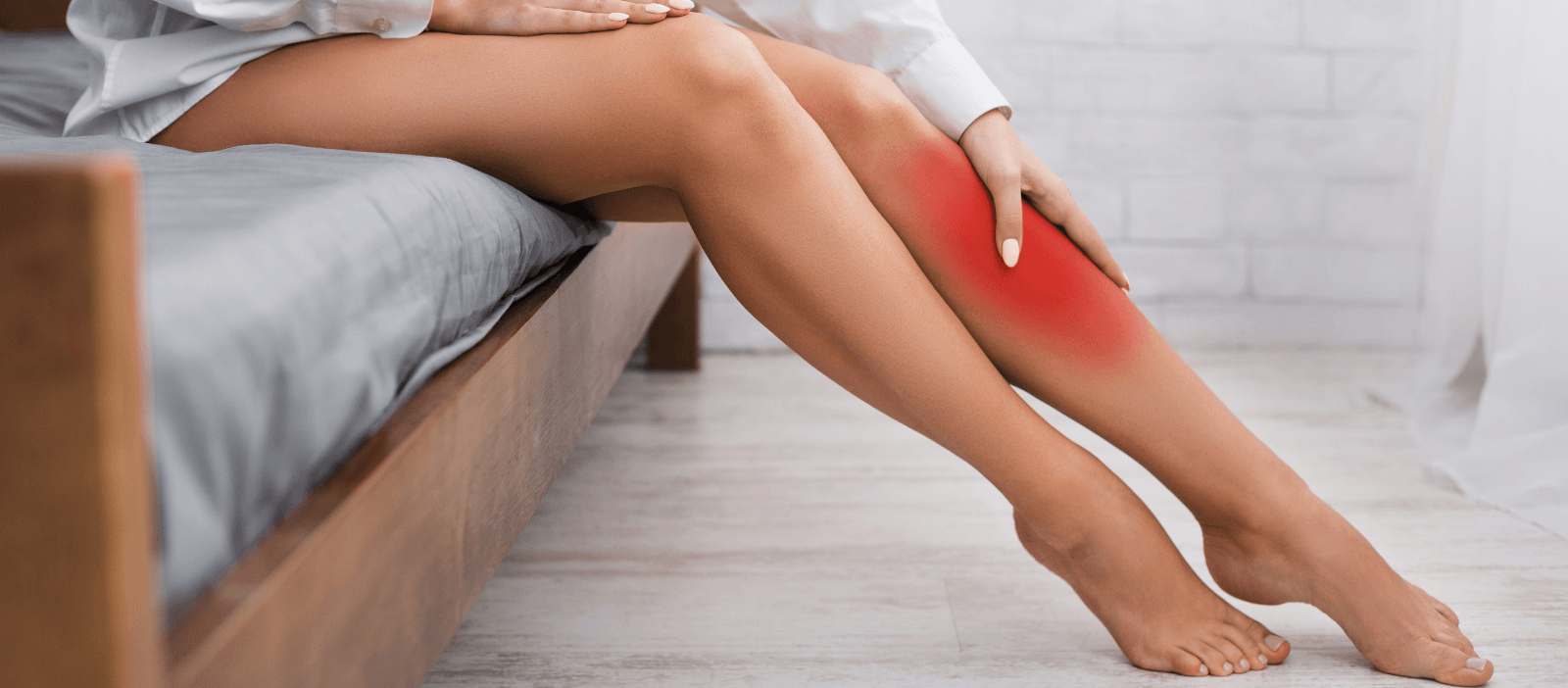
Muscle twitching (also known as body jerking) is when a singular muscle, or group of muscles, moves involuntarily. This means that your muscles move out of your control.
Body jerking can involve just a small muscle movement or a much more noticeable jerk. Twitching most commonly occurs in the:
-
Face (particularly the eyes)
-
Forearms
-
Legs
-
Upper arms
Most cases of twitching muscles go unnoticed as they’re so subtle and only last a few days. However, if you experience body jerking often, these involuntary muscle movements can become distressing and downright irritating.
So, what causes muscle twitching?
What Causes Muscle Twitching?
A muscle twitch occurs when a muscle contracts (tightens up) without your control. There are several factors that can trigger body jerking. Let’s take a look.
Stress
Stress sets off a chemical reaction that makes twitching more likely. How does it work exactly? Well, during normal functioning, our brain sends signals to our muscles which tell them to contract, allowing us to move.
However, stress causes the brain to send signals to our muscles when we’re perfectly still and have no intention to move. This causes involuntary body jerking.
Stress also triggers the release of stress hormones like adrenaline. This increases the likelihood of muscle twitching too. And if the stress response is continually being activated (as is the case with anxiety disorders), body jerking often occurs as a consequence - more on that later in the article!
Adrenaline
Adrenaline causes the body to send more energy to the muscles, even when they don’t need it. This unnecessary energy surge can make the muscles contract. However, in others, this will simply motivate them to move - these individuals may release the excess energy this way, instead of through muscle twitching.Prolonged anxiety can cause continual adrenaline release, which can worsen body jerks.
Poor Sleep
Another reason why muscles twitch is a lack of sleep. Not only can a poor night’s sleep make us feel groggy the next day, but it can also cause a hormone imbalance which can affect our muscle’s excitability, bringing about body jerking.This can also lead to more anxiety.
Caffeine
Although most of us love a cup of Joe, caffeine makes body jerking more likely as it interacts with ADP (adenosine
diphosphate) molecules in our bodies. Caffeine alters ADP concentration, which can affect the amount of energy sent
to our muscles. This can lead to overstimulation, potentially resulting in muscle twitches.
Other prominent causes of muscle twitches include:
-
Bad nutrition - not eating enough micronutrients.
-
Hormone imbalances - thyroid or cortisol imbalance can cause muscle twitching.
-
Dehydration - your muscles need water to function correctly.
Furthermore, muscle twitching can occur as a result of neurological disorders.
Muscle Twitching and Anxiety
Anxiety can cause muscle twitching.
If your muscles twitch during a stressful situation, it’s likely anxiety may be playing a role in your body jerking. Muscle twitching is one of many common symptoms of anxiety. You can read more about symptoms in our article about anxiety symptoms.
However, it’s worth bearing in mind that the two don’t always come hand in hand - if you have anxiety, it doesn’t mean you’re definitely going to have muscle twitching, and vice versa. Furthermore, muscle twitching may not be caused by anxiety, even in those with an anxiety disorder - it’s important to speak with a healthcare professional such as your doctor. That way, you can ensure it's not other underlying health conditions.
So, how does anxiety cause muscle twitching?
How Does Anxiety Cause Muscle Twitching?
When people get anxious, they tend to tense up . Maybe you experience this yourself. Common areas of tension include:
-
Shoulders
-
Neck
-
Jaw
-
Chest
-
Stomach
This is part of the stress response, also called the ‘fight or flight ’ reaction. Our muscles tense up during periods of anxiety to protect ourselves from injury. Unfortunately, if you suffer from an anxiety disorder and so are anxious most of the time, this can scramble the body signals and cause a change in nerve energy, potentially leading to anxiety-induced muscle twitching.
We know that muscle twitching can be distressing, annoying, and even embarrassing, but is it dangerous?
Is Muscle Twitching Caused by Anxiety Dangerous?
Around 70% of people say they experience muscle twitching; it's one of our normal physiological symptoms. Many individuals worry whether body jerking is dangerous, and you can understand why - it can be irritating and distressing not being able to control your muscles, particularly if muscle twitching is persistent.
When twitching occurs as a result of anxiety, it isn’t dangerous. However, if you experience anxiety body jerks on a
regular basis, it may be worth seeing what a doctor thinks and getting their medical expertise. Alternatively, there
are some changes you can make to stop your anxiety twitching on your own - let’s find out what these are.
How to Stop Muscle Twitching
Muscle twitching is not easy to stop on its own. Exercise can deplete some of the energy in your muscles which may reduce twitching; however, for some people, intense exercise itself can cause muscle twitching.
Whether or not you notice a reduction of twitching as a result, exercising is an incredibly valuable way to reduce anxiety in general, so if you're willing to engage in some daily exercise such as running or walking, it can be highly advantageous.
In general, you need to take a proactive approach to control your anxiety. Let’s explore some alternatives to
exercise.
Maintain a Healthy Diet
Ensure you’re drinking plenty of water, especially if you’re incorporating exercise into your daily routine, as you will lose fluid through sweating. Choose to eat a balanced diet rich with nutrients. Let’s take a look at the micronutrients and food sources that are full of them:
-
Vitamin C: Citrus fruits, broccoli, tomatoes, and sweet peppers.
-
Vitamin E: Peanut butter, almonds, sunflower seeds and sunflower oil.
-
Vitamin B6: Bananas, potatoes with the skin on, cereal, and chicken.
-
Magnesium: Seeds, nuts, legumes, and whole wheat.
This will help your body to replenish its salt levels, reducing the risk of anxiety twitching.
Reduce Your Caffeine Intake
If you often feel anxious after consuming caffeine, you’re not the only one. Caffeine stimulates your fight or flight response, making anxiety worse. Too much caffeine can actually have a whole host of consequences, not just making anxiety symptoms and muscle twitches worse! Other common repercussions include:
-
Headaches
-
Insomnia
-
Irritability
-
Frequent urination
-
Thirst
-
Chest pain
-
Respiratory issues
So, try to cut down on caffeine ! And avoid energy drinks, as these are full of caffeine!
Calm Your Anxiety
If you’re experiencing anxiety muscle twitching, a sure-fire way to stop this is to reduce your anxiety levels. Calming your nervous system through relaxation techniques such as visualisation and mindfulness can help to lessen the frequency of body jerks, decrease anxious thoughts and improve your mental health.Reducing stress can also make you less reliant on medication and can lower the likelihood of you developing other medical conditions.
For more information on relaxation techniques, click here.
SUMMARY:
You can also treat anxiety by maintaining a healthy diet, staying away from caffeine and using relaxation techniques. This can reduce your anxiety symptoms and body jerks.


 Trusted Source