



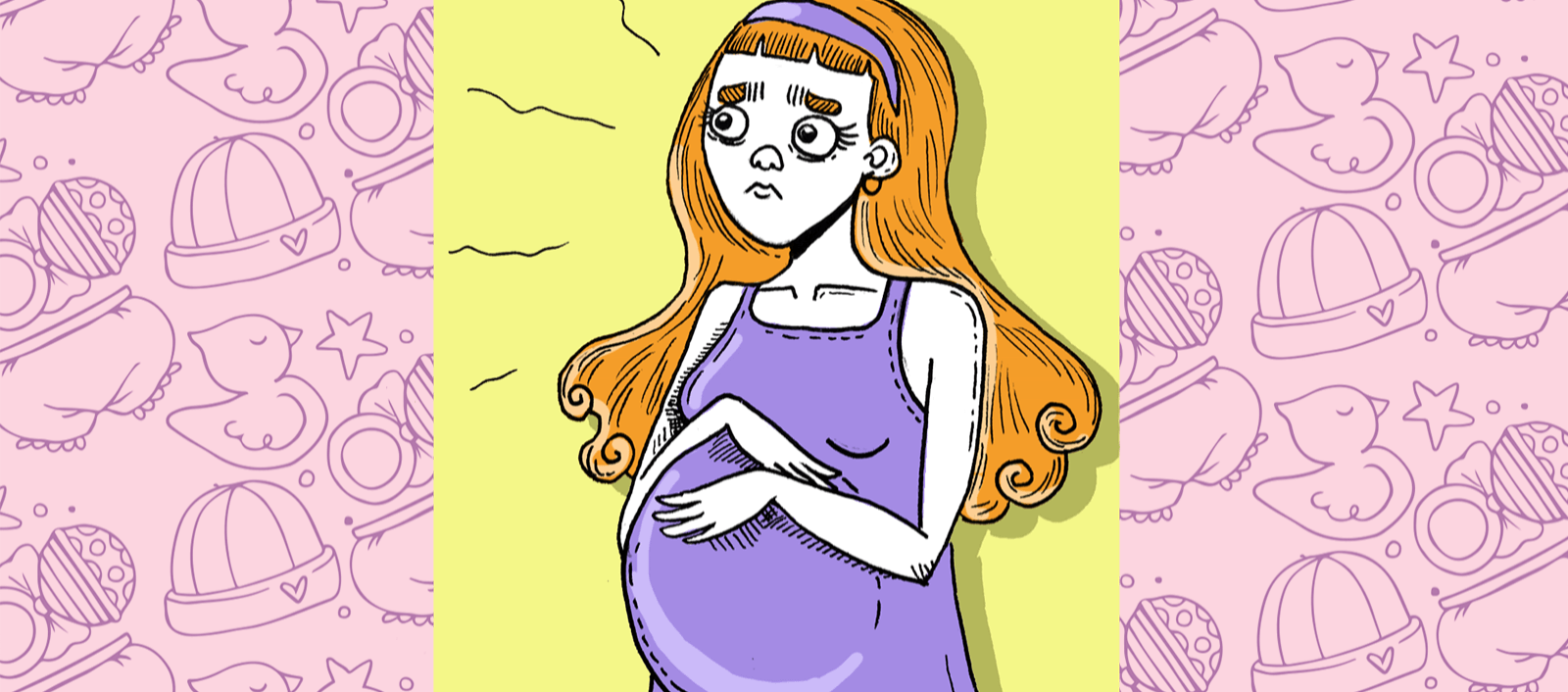
Every panic attack is a difficult event. Panic attacks are essentially periods of intense mental stress combined with very real physical symptoms that can be distressing and overwhelming.
When you're pregnant, it is only natural to be concerned about the health of the baby that is growing inside of you. This can cause stress and anxiety. Women who have a history of panic attacks, can have panic attacks in pregnancy, and women who have no history of panic attacks can also have panic attacks in pregnancy.
The incidence of women who experience Panic Disorder during pregnancy or during the postpartum period is significant and is as follows:
- 2 - 4% of pregnant women experience generalized anxiety or have panic disorder. About 40% of these women had symptoms before pregnancy.
- 4 – 6% of women experience panic disorder beginning in the postpartum period.
- In addition, women are at greater risk of experiencing Panic Disorder in pregnancy or after birth if they have a previous history of Panic Disorder.
Be Sure to Get Treatment for Panic Attacks
There are many studies that have show that stress and anxiety during pregnancy can increase a woman's risk of miscarriage, preterm delivery, and giving birth to a baby that is low birth weight, So stress and anxiety can cause affect the health and even the viability of a fetus. A recent study has shown that the children of mothers who experience anxiety in childhood.
So it is important if you are experiencing stress, anxiety and/or panic attacks to get medical treatment for these problems. Treatment will reduce the risk of developing these problems.
Panic attacks are also difficult for a mother. They can cause further anxiety, which will cause more panic attacks, which will cause more anxiety and so forth. In other words, they snowball.
In addition, women with anxiety disorders during pregnancy are nearly three times more likely to present with intense postnatal depressive symptoms
These are all good reasons to get treatment for anxiety and panic attacks in pregnancy. You can insure the health of your child, and you can improve your own state of mind. Pregnancy is surely a time when maintaining your own mental health is very important.
How to Handle Panic Attacks During Pregnancy
If you think you are having a panic attack or attacks during your pregnancy, the first thing you want to do is see a doctor and get a diagnosis and make sure that either you are or are not having panic attacks. One reason to get a diagnosis is that your symptoms might be the result of a physical illness. The other reason you want to start off with a diagnosis is that if you are having panic attacks, you want to treat them.
The "what if" questions about the health of both yourself and your baby are only natural, and are one of the hardest things for a pregnant woman to let go of. If you have had panic attacks before, there can also be a question in the back of your mind how your attacks will affect your baby or about what happens if it's not a panic attack, and instead something is wrong with your health or the health of your baby.
The best treatment for anxiety in pregnancy is Cognitive-Behavioral Therapy (CBT). This is the general consensus, and there are two reasons why CBT is the best option:
- It works.
- Given that it works, it obviates the need to take medications that have the potential to harm your baby.
The basic thrust of CBT is that it helps you understand the connection between the way you think and behave will affect the way you feel. In CBT, the therapist helps the patient identify the distorted thoughts that cause anxiety and panic attacks, and then helps you replace them with more realistic thoughts.
Another thing that CBT can do for pregnant patients with panic disorder is that it can help you become more comfortable with physical feelings in your body that might trigger panic attacks.
Other things that you can do to assure yourself that all is going well will include:
- Regular Checkups Go to all of your regular pregnancy checkups. Knowing that your fetus and you are healthy and that the pregnancy is going along fine will at least quell some of your concerns over the way that you react to your panic.
- Learn More About Panic Attacks Make sure you understand as much as possible about panic attacks and what triggers the attacks. This is very important. Hyperventilation, for example, is a common panic attack trigger and one of the main reasons that symptoms occur. If you understand hyperventilation more, you'll find it a bit easier to stay calm when it happens.
- Relaxation Exercises There are many relaxation exercises that may help when you have panic attacks as well. Deep breathing, progressive muscle relaxation, and visualization are a few that are highly effective. If you can exercise as well or do yoga, that can be a big help. Talk to your doctor before starting any of these programs, however.
- Have Fun Make sure that you're planning for your own future – not just the future of your child – and that while pregnant you're also doing things that you find fun and enjoyable. Many pregnant women essentially put their lives on hold as they wait for the baby, but doing this causes you to focus too much on the present and not enough on the future.
Finally, if you and your doctor feel the need, you can take medication to allay your anxiety. However, you will want to take as little medication as possible. Medications are usually prescribed on a p.r.n. or 'as necessary' basis during pregnancy. Ideally, they should be used only for short periods of time and are not recommended for long term use.


 Trusted Source