



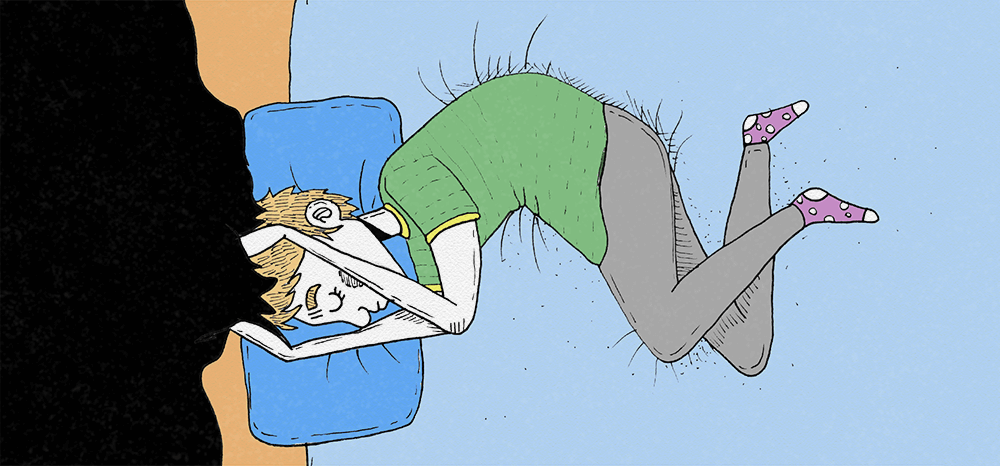
On their own, panic attacks are already immensely stressful events. During these episodes, you might feel like everything is going wrong at once. You can experience powerful physical sensations that often mimic heart attack symptoms or more serious illnesses. Sufferers often find themselves left with considerable anxiety and fear that leaves them completely drained and apprehensive for the next attack.
Those are daytime attacks. When you experience panic attacks at night, known as nocturnal panic attacks, you can wake up in the middle of the night in a deep sweat, barely comprehensible, frightened that something terrible will occur.
It is a terrifying experience, and it is arguably considered worse than daytime panic attacks. The inability to sense oncoming panic attacks heightens the anxiety.
An Uncontrollable Fear
Panic attacks are not the only way to be diagnosed with panic disorder. The fear of having a panic attack can be so controlling that it negatively impacts your life, and would still qualify you as having panic disorder. Often the fear of an episode can induce panic attacks, leading to more fear; this creates a vicious cycle that impairs your ability to manage your daily activities.
Despite the stress of living with panic attacks, being woken up with a nocturnal panic attack is often worse because of the element of surprise. These attacks can make it incredibly difficult to return to sleep.
Unfortunately, the frequency of episodes has even caused some individuals to fear sleeping. Since sleep is also an important tool for addressing anxiety, the cycle of anxiety only grows.
Causes of Nocturnal Anxiety Attacks
Because panic attacks can have many triggers (or none at all), it can be difficult to fully address why an individual is suffering from nocturnal panic attacks. Despite the variability, there are some possible causes that have been linked more with nighttime panic attacks than with daytime panic attacks. The most likely causes of nocturnal panic attacks include the following:
Obstructive Sleep Apnea
Obstructive sleep apnea is one of the most common causes of nocturnal panic attacks. It is a sleeping condition where the individual has short spurts of not breathing while sleeping. The body senses this and then forces the lungs to take a deep breath and resume breathing. It is caused by upper airway obstruction. This usually occurs with the upper airway being compressed airway collapse due to compression or relaxation.
Obstructive sleep apnea blocks the upper airway and can stop breathing for more than 30 seconds (even though most individuals do not experience apnea for this long). This causes what is known as hypoventilation- the opposite of hyperventilation (a common cause of panic attacks)- that can induce stress on the heart and several symptoms that mimic heart disease.
While most people with sleep apnea resume breathing and continue sleeping without realizing anything occurred, some individuals are so attuned with their body that they do notice these symptoms and wake up in a complete panic. These people often start hyperventilating as a way of overcompensating for the hypoventilation. Instead, they end up breathing too quickly (also known as “over-breathing”) and inducing a panic attack.
Obstructive sleep apnea may also be caused by obesity hypoventilation syndrome, which tends to occur in people with excess adipose tissue around their head and neck.
Gastroesophageal Reflux Disease (GERD)
GERD, commonly known as acid reflux disease, might also be a cause of your nocturnal attacks. Several people suffer from GERD symptoms that can mimic more serious health issues like chest pain and pressure, labored breathing, hyperventilation, shortness of breath, and sometimes even night sweats. All of these can cause you to wake up in a panic and trigger a serious panic attack.
GERD does not always cause these symptoms at night, and frequently people can sleep without issue. However, severe GERD can still result in very serious panic attacks, especially in the evening.
Hyperventilation Disorder
Hyperventilation disorder is a chronic problem that affects a large number of those with panic disorder. In many cases, the hyperventilation symptoms are induced by anxiety and/or stress; so when a person is sleeping they become less likely to hyperventilate. The majority of the population have slower, shallower breaths when sleeping. But some people have continued poor breathing skills at night that results in hyperventilation.
It has been well known that hyperventilation is responsible for many of the manifestations of panic attacks and even causes these attacks. So it stands to reason that people who experience panic disorder episode frequently are more prone to waking up from panic attacks.
Frequent Nightmares
Those who suffer from frequent nightmares may also set themselves up for future nocturnal panic attacks. Most likely, these nightmares can cause people to hyperventilate in their sleep, because they feel they are having severe anxiety. However, some people have nightmares so frightening that they wake up in the middle of the panic attack.
Combating Night Fears
It can be very difficult to cope with nocturnal panic attacks on your own, because experiencing these episodes often makes it harder to control and manage. Those with daily panic attacks have learned tips to help stop panic attacks from worsening. However, when you are sleeping, the ability to reduce events can appear to be out of your control. Provided below are tips to help you manage your nocturnal panic attacks:
- Exercise and Lose Weight — If there is a possibility that your nocturnal panic attacks are due to obstructive sleep apnea, weight control should be considered. Weight loss alone might not reverse your sleep apnea, but it can significantly reduce the symptoms and reduce the likelihood of hypoventilation. Usually, those with nocturnal panic attacks will continue to suffer from daytime panic attacks. So even if weight loss resolves nocturnal attacks, assistance will still be required for managing symptoms.
- Acid Tablets/GERD Treatments — If you regularly experience heartburn symptoms, it is advised that you visit your primary care physician to discuss treatment options. There are some over the counter treatments, but they often stop being effective if taken for an extended period of time. At this point, you would then have no other treatment options without seeing your doctor.
- Other GERD/Apnea Treatments — When GERD and sleep apnea symptoms are severe, there are still treatment options available; however, it is best for you to search for medical options to prevent any permanent injury or problems. There are treatment options that exist without medical involvement for GERD and sleep apnea; however, they are not designed for panic attack reduction. So they will not relieve your nocturnal panic attack triggers or prevent attacks from happening.
- Panic Cheat Sheet — You should create what we called a “Panic Cheat Sheet” that will help you regain control during an event. It is best to keep it near your bed. Every time you grab this sheet during a panic attack, you can remind yourself what you are actually experiencing and how to gain control of the situation. You will create a list of reminders such as “It’s just sleep apnea” or “Try taking slow, deliberate breaths” or “Don’t forget to go back to sleep”. During panic attacks, it is easy to forget these realizations which are important for controlling the situation. So keeping this cheat sheet by your bed can be a huge help.
These tips might not affect your ability to stop your overall panic attack frequency; however, treating the issues that might induce nocturnal panic attacks might go a long way towards preventing them. Regardless of their effect on nocturnal panic attacks, making these changes should improve your overall quality of life.
Panic Attack Treatments
In regards to treatment, you should address the triggers causing your nocturnal panic attacks. Unlike daytime panic attacks, you cannot “talk yourself down” from having attacks when you wake up already in the middle of one. This is one of the reasons why medical causes are often treated first in order to alleviate panic attacks.
Once the trigger of nocturnal panic attacks is identified, you will need to address your anxiety. Learning better breathing habits and coping mechanisms is important, but the only true way to manage anxiety altogether requires commitment to long term and effective treatment strategies.


 Trusted Source