



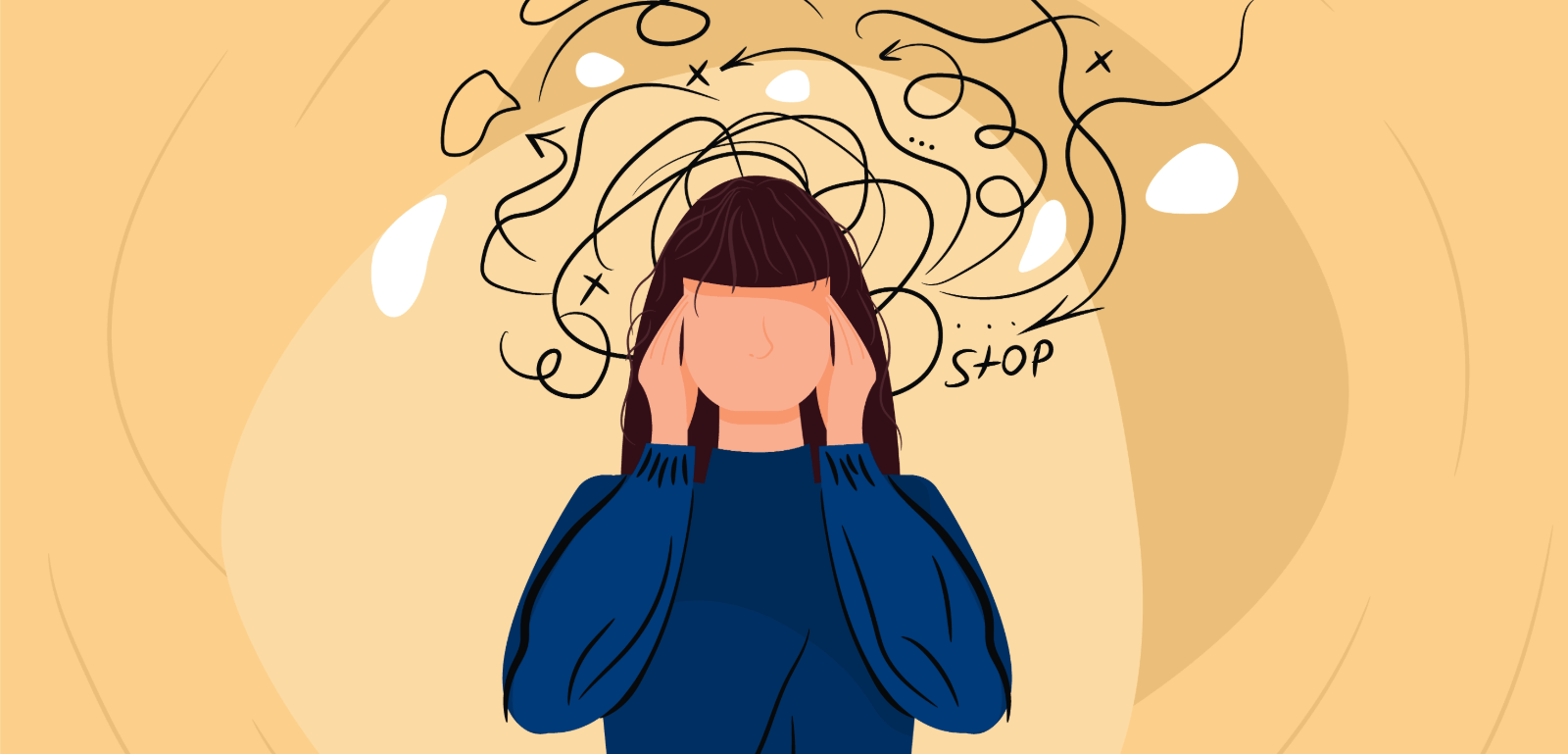
Anxiety is linked to fear and the triggering of your fight-or-flight system. Fear itself is a natural, even healthy experience. Why? This refers to a biological mechanism that helps you react quickly to dangerous events. Without fear and anxiety, you'd often find yourself in dangerous situations, and you'd have a much harder time responding quickly to those dangers.
When your fear is so persistent, distressing and disproportionate to the threat you’re facing - sometimes even occurring in the absence of any real observable threat - this is when an anxiety disorder might be considered. If you’re experience anxiety when no dangers are present, and it seems to occur without anything triggering it, you may have what we call "free-floating anxiety."
Introduction to Free Floating Anxiety
Free-floating anxiety is anxiety that cannot be pinned to any specific issue. People who have Generalized Anxiety Disorder, or GAD, experience free-floating anxiety very frequently. In such cases, it seems as if the anxiety just floats in and out, coming and going with no apparent cause.
Mental vs. Physical Symptoms
Anxiety itself has many severe physical symptoms, in addition to the mental and emotional symptoms that commonly occur. This is one of the lesser known aspects of anxiety: that for some, anxiety presents in physical forms more often than anything else. These people may develop the impression that they suffer from a medical health condition, rather than a psychological condition.
But free floating anxiety usually refers to mental anxiety - thoughts or emotions that are linked to a feeling of anxiety or dread. Sometimes these thoughts are about something specific, like worrying that your son or daughter is going to get hurt at school even though there's no reason to think it's about to occur.
But many other times it can be this general feeling like something is wrong, almost as if you fear something but aren't sure why or what it is. The latter example is largely characteristic of free-floating anxiety. This differs from other anxiety disorders, including:
- Panic Attacks Often with panic attacks, the fear is based on one’s physical health, or simply fearing the possibility of having a panic attack. While often the first panic attack comes out of nowhere because of stress, recurring panic attacks are very often triggered by experiences of sensory discomfort.
- Obsessive Compulsive Disorder people with OCD tend to have thoughts that occur out of nowhere, but these thoughts are the specific problem that causes anxiety. A person then modifies their behaviour (i.e. compulsions) and these behaviours serve to reduce the anxiety created by these thoughts.
- Post-Traumatic Stress Disorder PTSD has a clear cause. It occurs as the result of a traumatic event, or the perception of a traumatic event. In other words, the anxiety is not generalized or free-floating - rather, it’s very specific.
In some cases, generalized anxiety can come with specific worries as well, although it's still considered generalized anxiety because the worries tend to come for no apparent reason; and there may relate a wide variety of generalized concerns.
Causes of Free Floating Anxiety
Scientists are not entirely clear what causes free floating anxiety or generalized anxiety disorder. They know there can be a genetic component, and they know there can be a component which relates to one’s upbringing and early experiences. It is believed that the development of anxiety disorders needs to be considered as the result of an interaction between one’s genes and biology on the one hand and one’s environment on the other. For example, someone with a genetic predisposition to anxiety might develop generalized anxiety disorder as a result of repeated traumatic experiences whilst growing up.
The following are some factors that can be thought of as potentially causing, or at least contributing to, free-floating anxiety.
- Neurotransmitters Anxiety causes and can be caused by a dysregulation of neurotransmitters. Neurotransmitters are brain chemicals which send messages throughout the brain cells, neurons and the body. Several neurotransmitters have been linked to anxiety, including norepinephrine, serotonin, and GABA.
- Adversity Difficult life experiences can also lead to the development of anxiety. For example, experiencing bullying or abuse, having a poor self-esteem, experiencing loss/grief or having had a troubled upbringing more generally can all put you at risk. Often, these sorts of experiences interact with other factors - behavioral learning, coping styles, parenting, and reinforcement, for example - to make you more vulnerable to anxiety.
- Stress Significant, long term stress can also contribute to anxiety disorders. One explanation is that stress changes your hormone production levels, which in turn can change how your brain processes anxiety and difficult situations more generally.
- Diet and Exercise Finally, both diet and exercise can lead to anxiety in many people. Diet tends to be less common, although low levels of vitamins like magnesium have been linked to anxiety, as has dehydration. Exercise has a known anxiety link. Without exercise, the body's excess energy and stress hormones may become dysregulated, and that is associated with physical stress and anxiety disorders.
In almost every case, it is likely a combination of many of these factors, and the exact origins are unlikely to be known. Regardless, all of these can create a feeling of anxiety that does not seem to have a specific cause or trigger.
How to Fight Free Floating Anxiety
The keys to combating free floating anxiety are the same as combatting all other types of anxiety conditions. The best choices are:
- Cognitive Behavioral Therapy CBT is a great tool for reducing anxiety. This form of therapy helps you to change problematic thinking patterns that underlie your anxiety. CBT approaches have received a considerable amount of research and psychologists have found effective ways to combat generalized anxiety disorder using the tools proposed by CBT practitioners.
- Medications Medications are not recommended at all times, but if you have no other option, there are several prescription medications that can help regulate neurotransmitters and create a feeling of relaxation. Be sure to speak to a medical professional for expert advice regarding medication.
- Exercise Exercise is extremely valuable as a tool for combatting anxiety. It releases neurotransmitters that create a calmer mood, burns off excess energy and stress hormones, and should regulate your hormones and tire your muscles in a way that creates a better feeling of relaxation.
Still, the best strategy to combat anxiety is to make sure that you're using a system that is tailored to your specific anxiety symptoms. Everyone is different, and everyone has slightly different needs. It’s important to consider your own personality, lifestyle and symptoms when treating your anxiety. You may find it helpful to be guided by a licensed mental health professional.


 Trusted Source