



Anxiety causes a lot of physical problems. While it's characterized as a mental health disorder, there are many physical symptoms and in some cases (like with panic attacks), it can actually have physical symptoms that make people feel as though they have a serious disease.
Teeth problems may not seem like they're related to anxiety, but they can be, and in many cases these teeth problems remain completely unknown until they are seen by a dentist.
Anxiety Tooth Problems
Anxiety doesn't directly affect the teeth. But what anxiety does do is cause other problems that end up having an effect on tooth health.
There are many different potential tooth problems related to anxiety, and some experts are finding that the connection between the mouth and mental health may be even stronger than ever anticipated. Some examples include:
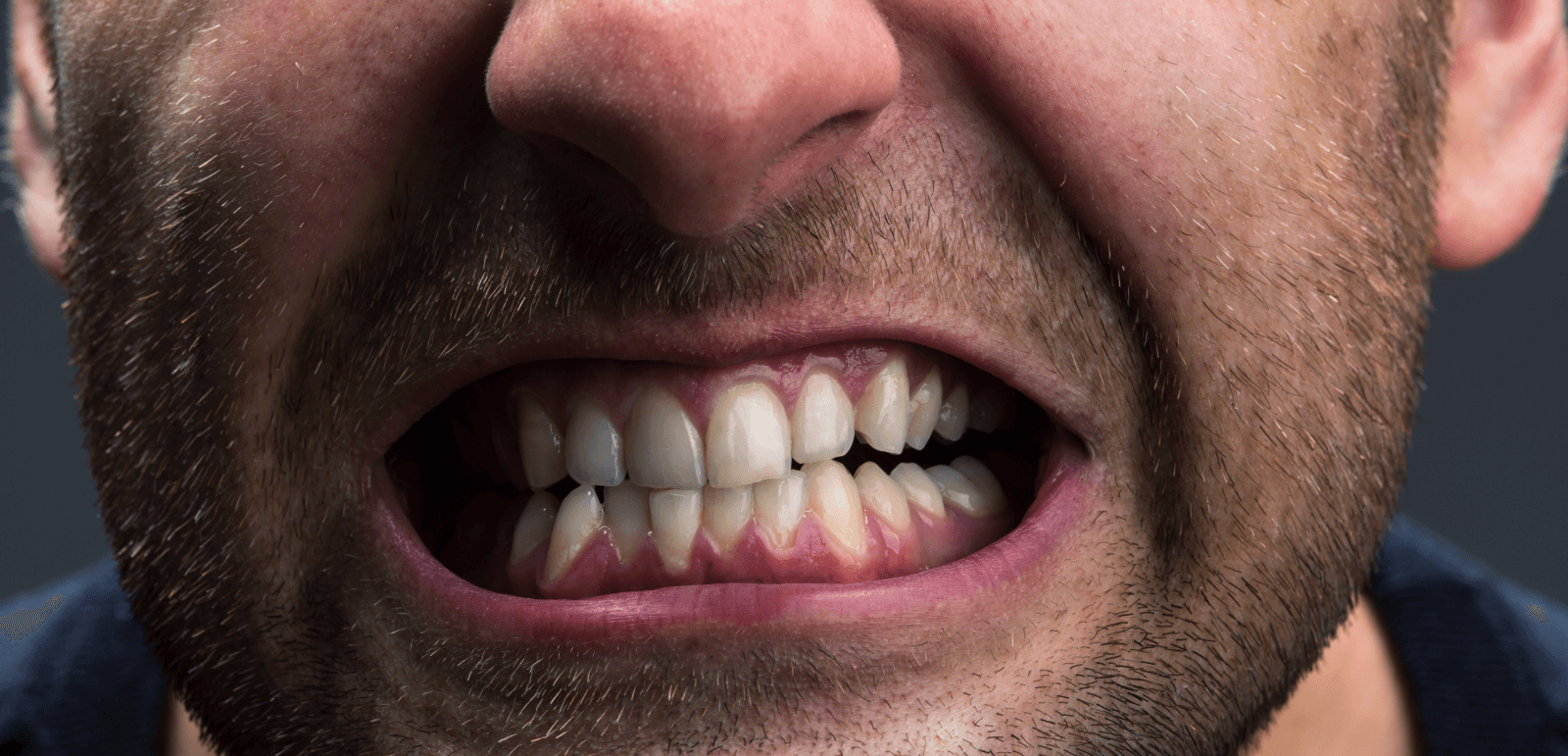
- Tooth Grinding Tooth grinding, especially at night, is one of the most common problems with anxiety and much of that tooth grinding happens after you go to sleep. Unfortunately, because it occurs while sleeping, many people with tooth problems have no idea that they are grinding their teeth as they start to wear down their enamel while waking up with headaches. Tooth grinding (and clenching) can even happen during the day as well, and you may not even realize it unless it starts to hurt or ache around the jaw.
- Acid Stress and anxiety appear to have a relationship with acid reflux, although acid reflux is technically a separate condition. It has been suggested that the stomach acids occurring during acid reflux may damage your teeth and enamel.
- Tooth Fears Many people do not have a problem with their teeth. Rather, their anxiety causes them to obsess over their teeth, believing that every toothache means there is a tooth health problem and possibly even over-brushing to the point where they can actually damage their teeth and gums.
- Disregarding Oral Health The opposite may be true as well. Many people with anxiety simply ignore their oral health because they're too wrapped up in their other issues. Or they may eat too much sugar as a way of coping with stress. All of these can lead to problems with your teeth.
- Dry Mouth It's not clear whether anxiety causes medically serious dry mouth, but dry mouth itself can affect the health of your teeth, and many report experiencing dry mouth with anxiety. Since dry mouth involves less salivation than necessary, and because saliva is important for helping your teeth, it's possible that the relationship plays a role in tooth health.
Those with anxiety are also prone to hyperawareness, and that means that on occasion their teeth may feel like there are more problems than those without anxiety. For example, some people report that during an anxiety attack they feel as though their teeth are loosening or in pain. If they did not have anxiety, they would not notice these symptoms, even though nothing is technically wrong with your teeth.
See a Dentist, Manage Anxiety
Unfortunately, tooth problems are not something that can be easily cured at home. You should always maintain good oral hygiene, but you also need to see your dentist and listen to any of their recommendations. Be as honest as possible. Tell them about your anxiety, tell them what you do regularly for your oral healthcare, and tell them about your diet. They'll give you insight into what likely caused your tooth problems and what you can do about them.
Then, make sure that you are working towards treating your anxiety, especially since the most common tooth problem (grinding) isn't something you can control unless your stress and anxiety is reduced. You can attempt a mouth guard for a while, but eventually you will need to address your anxiety.


 Trusted Source