



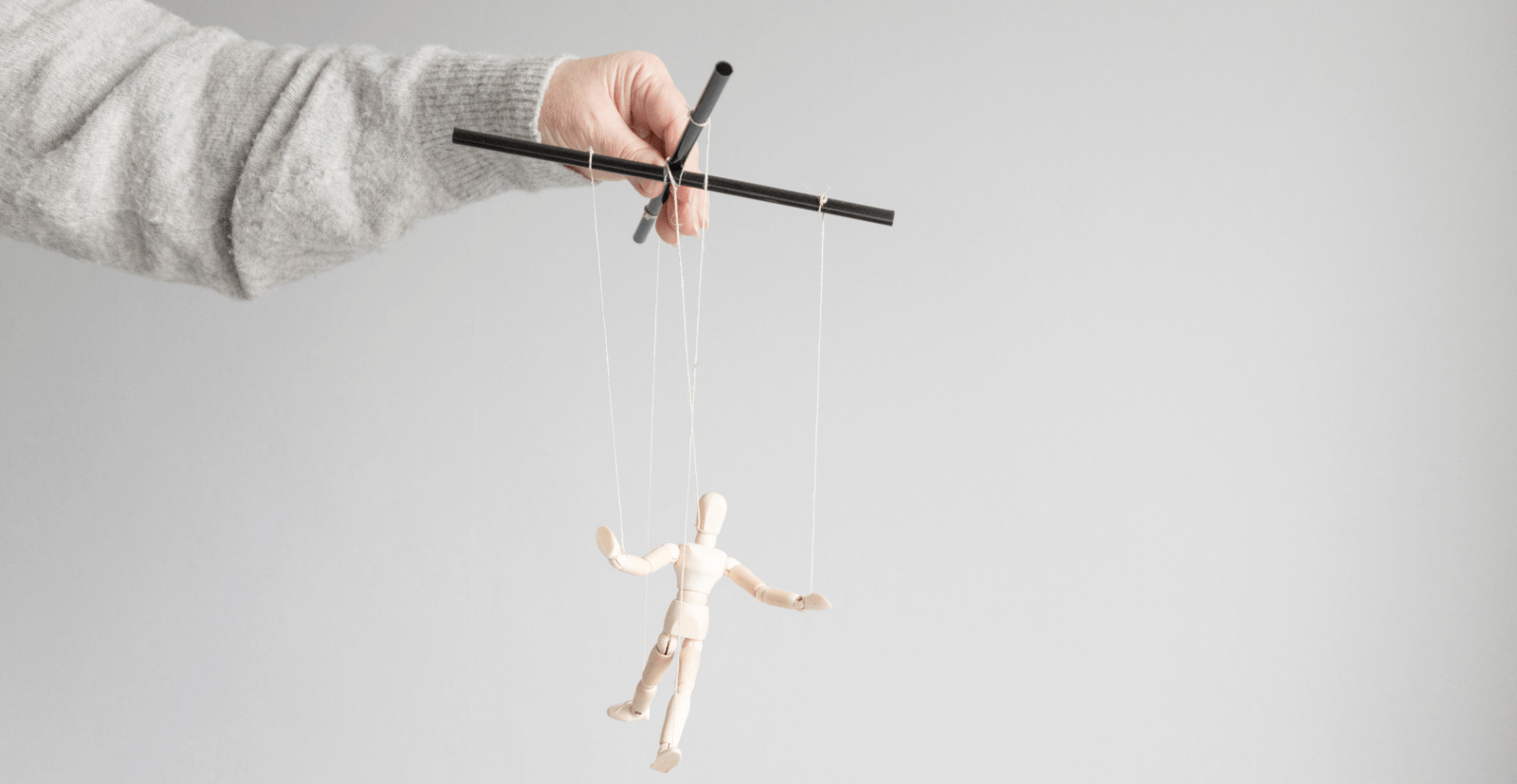
Anxiety is an emotional disorder. While many people don't consider anxiety to be an emotion, there is no denying that anxiety emotions are very real. Even though you may feel other emotions - like irritation, sadness, and anger - anxiety itself represents an emotional state, where you're prone to these emotional fluxes and living in a general absence of happiness.
But why does anxiety affect our emotions? What is it doing and what can be done to control it?
The Stages of Emotions
Emotions are by their very nature irrational. Even happiness is an emotion that doesn't make logical sense. Why should something we do make us happy? Why should something we do make us sad? Emotions are complex, and understanding them fully will never truly be possible.
But since we know we have emotions, we can try to understand why they occur, and it's known that anxiety can lead to different types of emotional struggles.
It Starts With Stress
The first thing to understand is that most of the emotional reactions of anxiety are a response to stress. Despite its bad reputation, a little bit of infrequent stress can actually have its benefits. Stress is what tells you that you need to do something - it tells you that you need to make a change. Without at least a little bit of stress, you would never know that you need to drive safely, avoid dark alleys, or work hard on a project deadline.
It's when that stress becomes overwhelming or chronic that it becomes a real problem. Stress over the long term changes the chemicals in your brain - known as neurotransmitters - that naturally affect emotional levels. Many of the changes stress makes to your brain are the same changes that would occur if you experienced a sad event, such as lower serotonin levels, and potentially lowered GABA and other neurotransmitter levels.
The brain can also adapt to these levels, to the point where the issue becomes more chronic. It's not clear why the brain adapts, or how, but scientists and psychologists have known that prolonged stress - just like prolonged sadness - can cause long term mental health issues.
Anxiety is Stress
In many ways, anxiety and stress are directly related. While they're technically different conditions, they share many of the same issues, and that's because when you have anxiety you are essentially causing your body long term stress. Anxiety has other effects, like releasing adrenaline (since anxiety is related to the fight/flight system), but it also leads to stress, and stress leads to trouble with emotional control and happiness.
The two are so closely related that it's sometimes hard to tell what's caused by anxiety and what's caused by the stress of anxiety. Regardless, it's clear that stress plays a key role in the development of poor emotional regulation.
Other Relationships Between Anxiety and Emotions
Anxiety emotions are still more complicated, because all emotions are complicated. Another potential cause of negative emotional responses from anxiety are simply caused by emotional fatigue. It is incredibly stressful to deal with anxiety and panic attacks day in and day out, and the intensity of those attacks so draining that when they are over, it's not uncommon to simply feel sad, emotionally numb, or irritated.
While this still relates to stress, it's not the anxiety itself causing these issues but rather the emotions caused after having intense anxiety. It's disheartening to have to deal with those issues regularly, and so it stands to reason that your emotions after anxiety, such as:
- Dealing with an anxiety attack.
- Experiencing anxiety in front of a friend or partner.
- Feeling like you're the only one dealing with anxiety.
All of these are going to cause their own emotions, and all of these thoughts and emotions can lead to further emotional issues.
Finally, anxiety and emotions may be related to other, similar issues. For example, anxiety is the result of poor mental coping. Poor coping can also make it harder to control other negative emotions, like sadness, irritation, and so on. Faced with some type of negative event or feeling, someone with poor coping skills is going to have a harder time holding the negative emotions back. In this sense, anxiety isn't causing these emotions, but the two are still related.
You Can't Control Everything
While it may not feel like it, these anxiety emotions are the result of a system in your body that you actually do want - one that you wouldn't want to control. The basic emotional/stress/anxiety symptoms are meant to keep you safe. Emotions are meant to tell you how to feel and act. Stress is meant to motivate you and keep you safe. Anxiety is actually an incredibly important system in your body - a system designed to save your life if you're in danger.
All of them need to be automatic in order to keep you alive, healthy, and generally in control. The problem only arises when they become chronic. That's why you're never able to control your neurotransmitters, hormones, or even your emotions completely - because if your body stopped doing them automatically, you'd be in danger.
But what you can do is learn how to cope with emotions and alter your life so that you can maintain emotional control. By addressing the causes of your anxiety, the symptoms, and the way that you cope with stress, you can learn exactly what you need to do to maintain positive emotions and keep your anxiety from running away with itself.


 Trusted Source