



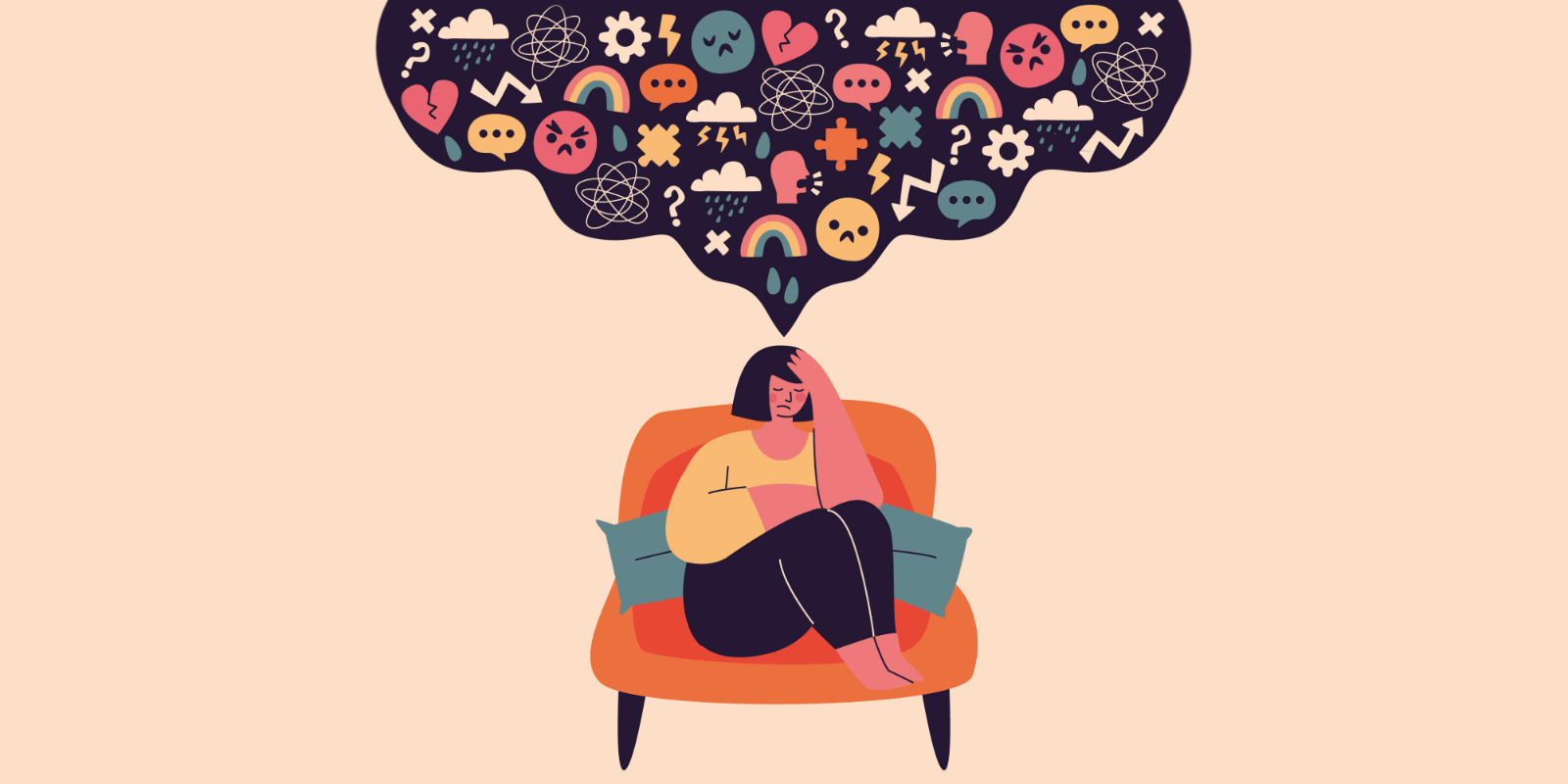
No one wants to live with anxiety. If you're starting to feel as though anxiety and panic are starting to make it difficult to maintain emotional and physical stability, it's time to take action - to learn strategies that will help you cope with that anxiety.
You should always consider professional help. There are countless skilled therapists and counselors that can train you in new ways to treat you for your stress.
How to Deal With Anxiety
Dealing with anxiety is not easy. One of the benefits of professional help is that it gives you someone to keep you accountable, and provides you with validation that what you've done thus far has been working.
It is possible to deal with anxiety on your own. But in order to do so, you have to be able to commit to lifestyle changes, avoid some of the most common anxiety fueling behaviors, and be ready to hold yourself accountable for your changes.
Things to Avoid With Your Anxiety
It starts with what to avoid. Many people don't realize that they are unintentionally contributing to their own anxiety. Only by avoiding common anxiety mistakes will you be able to cope. Some examples include:
- Moping Coping with anxiety requires you to take action. But stress makes you want to mope. Spending time alone, in silence, with your own thoughts can be nice once in a while, but often thoughts are your enemy when you have anxiety. Distractions, staying active, and trying to be as social as possible are important.
- Bad Foods Diet does play a role in anxiety. Those with panic attacks should avoid caffeine, because they seem to be a trigger of panic. Fattening foods, refined sugars, alcohol, and fried foods also exacerbate anxiety symptoms. Eating habits don't usually "cause" anxiety, but they make it worse, and the worse your anxiety symptoms are the more your anxiety will bother you.
- Anxiety-producing Stimuli Anxiety is a cumulative condition. The more anxiety you experience in your daily life, the more your other anxiety symptoms get worse. That means that you should avoid horror movies, dark alleys at night, spending time with people who are reckless - anything that produces anxiety should be controlled, to avoid the anxiety from getting worse.
You also need to avoid falling back into your old anxiety habits. Coping with anxiety is about commitment, so assuming you've corrected your anxiety problem and getting back to your old habits will harm you as well.
Tools to Help You Cope With Anxiety
One of the most important things to remember about anxiety coping is that coping actually happens inside of you. There are many strategies to help you cope, but what will eventually help you cure your anxiety forever is your own mental strength. Everyone has it, but it often requires taking care of your body and re-training your mind for how you should react to anxiety and stress.
Still, the following will help promote better coping, and give you an opportunity to control some of the issues that lead to anxiety symptoms:
- Exercise/Physical Activity Exercise is not just about getting fit. The overwhelming majority of those that experience anxiety do not engage in enough physical activity, and many experts believe that this is one of the issues that causes anxiety. Physical activity improves the immune system, releases calming neurotransmitters (known as endorphins), tires the muscles, and burns away stress hormones. It's incredibly important for controlling stress and anxiety, and incredibly important for coping.
- Herbal Tools There are several herbal supplements you can consider to help you cope with anxiety. Chamomile, Kava Kava, Valerian, Passionflower, and St. John's Wort all produce sedation/relaxation without side effects. Always talk to a doctor though before starting any herbal anxiety treatment.
- Meditation and Yoga Both meditation and yoga have the potential to improve your ability to cope with stress. They teach healthier breathing, and poor breathing is one of the issues that makes anxiety symptoms worse, especially during anxiety and panic attacks. Many people believe the spiritual qualities of meditation and yoga are also helpful for curing anxiety.
- Positive Thinking Learning to think positive is also an important step in learning to cope with your anxiety. It may sound a bit "new age," but the truth is that anxiety really does cause very negative thinking. There are ways to train yourself to think positively, including faking positivity, writing in a positivity journal, and spending time with more positive people. These really will have an impact on your ability to cope with stress.
- Learning to Accept It It's also important that you accept your anxiety rather than run away from it. Anxiety may cause you to have fears - but many people also fear anxiety, and that fear can actually make your anxiety works. Learn to talk about it openly, and don't try to hide when you're suffering. The more you're able to find your anxiety less intimidating, the easier it will be for you to overcome it.
These things may not cure anxiety on their own, but they will help you learn to control the way anxiety affects you, and you'll often find that they assist your ability to mentally cope - in some cases enough to cure it completely.
How to Stop Panic Attacks
Panic attacks are a very different beast. They still benefit from controlling anxiety, and you should still strongly consider the tips above, but when you're suffering from panic attacks, you often need more than that. Panic attacks cause another form of anxiety - fear of getting a panic attack - and the irony of this is that this fear can actually cause panic attacks. Luckily, there is one strategy that can be effective at coping with panic attacks:
Do nothing.
This is not entirely true, of course. There are effective ways to prevent panic attacks and train yourself to control the severity of these attacks. But the start, you need to learn to do nothing.
That's because there are many important things you need to understand about panic attacks:
- Panic attacks cannot kill you. No one has died from a panic attack. If you know that you have panic attacks, you need to learn not to worry it's something more. You simply need to learn how to let it run its course.
- Fear of panic attacks creates panic attacks. It sounds crazy, but those diagnosed with panic disorder often have a severe fear of panic attacks that ultimately increases their heart rate and triggers an episode of panic. Learning not to fear them is part of coping.
- Reacting to your panic attack can actually make your panic attack worse. During a panic attack, many people feel they need to get a deep breath. But interestingly, the symptoms of panic attacks are often the result of too much oxygen, called hyperventilation. When you take that deeper breath as you try to compensate, you actually create further symptoms. Learning not to react this way to your panic will reduce the severity of the panic attacks.
Reducing the severity of your panic attacks will actually help treat the panic attacks, because you'll start to fear them less. That's why if you learn to do nothing when you have a panic attack, you'll actually start coping with your panic attacks better.
The other way to cope with your anxiety attacks is through distractions. Healthy distractions like walking or talking on the phone stop you from focusing too much on your worries, and prevent your anxiety from taking over your thoughts. Any healthy distraction is a good distraction for dealing with panic, and finding one that works for you is a great start.


 Trusted Source