



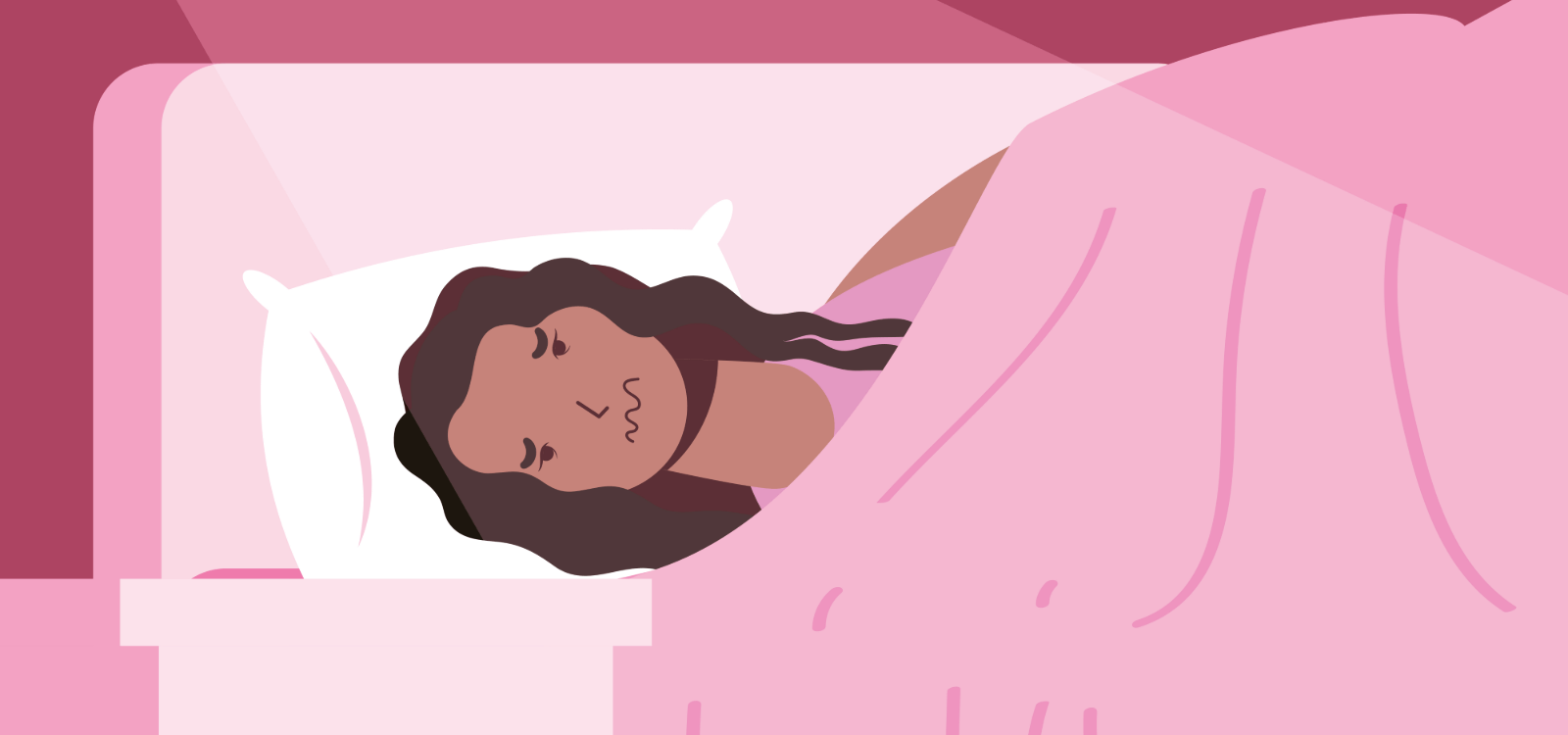
Panic attacks are intensely frightening events. They can hit you at any moment, and when they do they can completely ruin your day. Many people find that the only time they get a break from either panic attacks or thinking about panic attacks is when they go to sleep.
But for some people, the fear doesn't stop there. While not as common, some people experience panic attacks while sleeping. This terrifying event will jolt you awake and may cause immense fear and distress. However, it’s important to remember that panic attacks are just a result of anxiety - they’re not dangerous, just scary!
The Worst Type of Panic Attack
All panic attack types are incredibly stressful and can make it much harder to go about your daily life. These attacks may cause physical and mental symptoms that are so distressing they can cause people to fear to leave their own home.
But arguably nighttime panic attacks are the worst type of panic attacks because they cause significant distress that not even daytime panic attacks may cause:
- They often hit you by surprise with no warning.
- They may wake you up from sleep when your thoughts aren't entirely formed.
- They often prevent you from going back to sleep and cause sleep deprivation.
- They may create significant health fears.
- They may cause you to fear sleep in the future.
Furthermore, you might find that your nocturnal panic attacks are also disturbing your partner’s sleep. This can put a strain on your relationship.
What Causes Sleeping Panic Attacks?
Even though the panic attack is said to occur while you sleep, the idea that it's a "sleeping panic attack" may be a little misleading. It’s very difficult to sleep throughout the course of these panic attacks, and the actual attack usually wakes you up, causing significant fear and disorientation.
There are many possible causes of panic attacks, generally speaking. Often, panic attacks during the day are caused by an interaction between your bodily sensations and your thoughts. During the night, however, this might not necessarily be the trigger, given that you’re somewhat disconnected from your bodily and mental processes. There are, however, additional issues that may affect those who suffer from nocturnal panic attacks. These issues include:
Sleep Apnea
Sleep apnea – also known as obstructive sleep apnea – is a common cause of sleeping panic attacks. Sleep apnea is actually a fairly common medical condition, and it occurs when your breathing in the upper airway becomes obstructed due to a relaxation of the muscles in your throat.
This is common in people who struggle with weight issues, although not everyone who experiences sleep apnea is overweight. Sleep apnea episodes - where you’re unable to take in oxygen - can last as long as 30 seconds, and it's known as hypoventilation (or "not breathing" – not to be confused with hyperventilation, which is a common panic attack problem). Hypoventilation causes significant stress on the heart and has symptoms that are very similar to a heart attack.
Those without panic disorder tend to wake up and go back to sleep. Sleep apnea is actually one of the leading causes of poor sleep quality, because those with sleep apnea often have no idea they are waking up so often in the middle of the night. But their brain is prevented from going into the deeper stages of sleep because it needs to jump into action occasionally, to re-initiate the breathing process.
But for those with panic disorder. their minds and bodies are in a constant state of awareness or fear over how they feel. When they stop breathing because of hypoventilation they may notice on some level at least, even if they’re asleep. They then wake up and the fear causes them to breathe too quickly, expelling too much carbon dioxide while taking in too much oxygen. This is known as hyperventilation, or "over breathing" and this can make the panic attack even worse.
For these reasons, those with panic disorder are more likely to experience nocturnal panic attacks if they also have sleep apnea.
GERD – Gastroesophageal Reflux Disease
Acid reflux disease, also known as GERD, has also been linked to sleeping panic attacks. GERD itself is an irritating but fairly benign disorder. But it can affect you in your sleep, especially if you ate too soon before going to bed. Lying down after eating increases GERD symptoms considerably, and each of these symptoms represents a potential trigger for panic attacks:
- Chest pains
- Stomach pressure
- Lightheadedness
- Night sweats
- Hyperventilation
Some people also have trouble breathing, sore throats, and other issues that can become panic attack triggers. Many of those with nighttime GERD do not notice that they have any symptoms at night unless they wake up, and even if they wake up they simply deal with the discomfort and go back to sleep.
But others with tendencies toward anxiety are not so lucky, and it's possible that their anxiety and GERD combine to increase the likelihood of nocturnal panic attacks.
Hyperventilation Syndrome
Hyperventilation syndrome is another disorder that may cause and contribute to panic attacks. In fact, some believe that panic attacks cause hyperventilation syndrome to turn into its own separate condition – a condition that eventually triggers panic attacks.
Hyperventilation syndrome is when your body essentially breathes "too rapidly." The problem with shallow breathing is not that you are getting an inadequate supply of oxygen, but that you are letting out too much carbon dioxide. Carbon dioxide is needed in your body for it to operate, and when you breathe too rapidly, you don't give your body enough time to restore the balance of CO2 inside your body. This can lead to constriction of blood vessels, reduced blood flow to the brain and a host of anxiety symptoms.
Most people with hyperventilation syndrome may not necessarily have problems sleeping at night, so this isn't the most common cause of panic attacks while sleeping. But, some people's hyperventilation disorder is so problematic that they do take shallow or fast breaths at night as well. This may cause hyperventilation and ultimately trigger a nocturnal panic attack.
Nightmares, Night Terrors, and Night Anxiety
Finally, anything that can cause you anxiety while you sleep can also conceivably cause panic attacks. Once again, it's a problem with hyperventilation. While having a nightmare, for example, you may be reacting to your dream by breathing quickly as though scared or running. This can cause you to hyperventilate in your sleep, which may cause a nocturnal panic attack.
How to Respond to Sleeping Panic Attacks
Sleeping panic attacks are harder to control than daytime panic attacks because there is no warning. You can't take what you've learned and apply it to stop your panic attack from happening, nor can you distract yourself or prepare yourself so that the panic attack is less severe. Sleeping panic attacks hit you by complete surprise, and often occur at a point in your sleep when your disorientation prevents you from thinking critically about what's happening.
The good news is that since many panic attacks that occur while sleeping have an underlying issue that can be addressed, you can first start combating these issues and see if it improves your long term outlook with nighttime panic disorder. For example:
- Adopt a Healthy Lifestyle. Sleep apnea (and to a lesser extent, GERD) are often caused by excess body weight. Talk to your doctor about developing some type of weight loss or health plan that can reduce sleep apnea if it occurs. You'll find that if you do have sleep apnea and you can burn off some of that excess weight and prevent the apnea from occurring, your panic attacks may stop with it. In addition, exercise is extremely valuable for fighting anxiety in general, so you may find it has several benefits for your daytime stress as well.
- Antacids and Acid Reflux Treatments If you have GERD, you can try something similar. Talk to your doctor and see if you qualify for a GERD diagnosis. If so, antacids and many over-the-counter acid reflux treatments can be highly valuable in controlling some of the symptoms of GERD while you sleep. You should also make positive lifestyle changes (like not eating before you go to bed) that are effective for controlling GERD.
- Panic Attack Reminder Sheet Finally, consider putting something near where you sleep that can help you talk yourself down when you wake up with a panic attack. Some sort of inspirational reminder or "how to" list to calm yourself down when you wake up in a panic is important. You should also consider meditation and breathing exercises that help calm you down after you wake up. Also, if you find that you can't go back to sleep, try to go out into your home and do something pleasantly relaxing. Distract yourself. Remind yourself that you had a panic attack, everything is okay, and all you need to do is calm down.
Since these anxiety attacks occur at night and are generally not in your control, they are not easily preventable through a focus on identifying and avoiding triggers, which is how day-time panic attacks are often managed. Nevertheless, the above tips should help you improve your ability to control panic attacks while you look for a treatment that deals with anxiety more generally.
How to Stop Anxiety and Panic
Of course, even if you reduce the frequency of your nighttime panic attacks, you are still going to find yourself suffering if you continue to deal with panic disorder. That's why you need to make sure that you find the appropriate long term treatment for reducing the frequency and severity of your panic attacks and doing whatever it takes to prevent them from coming back.


 Trusted Source