



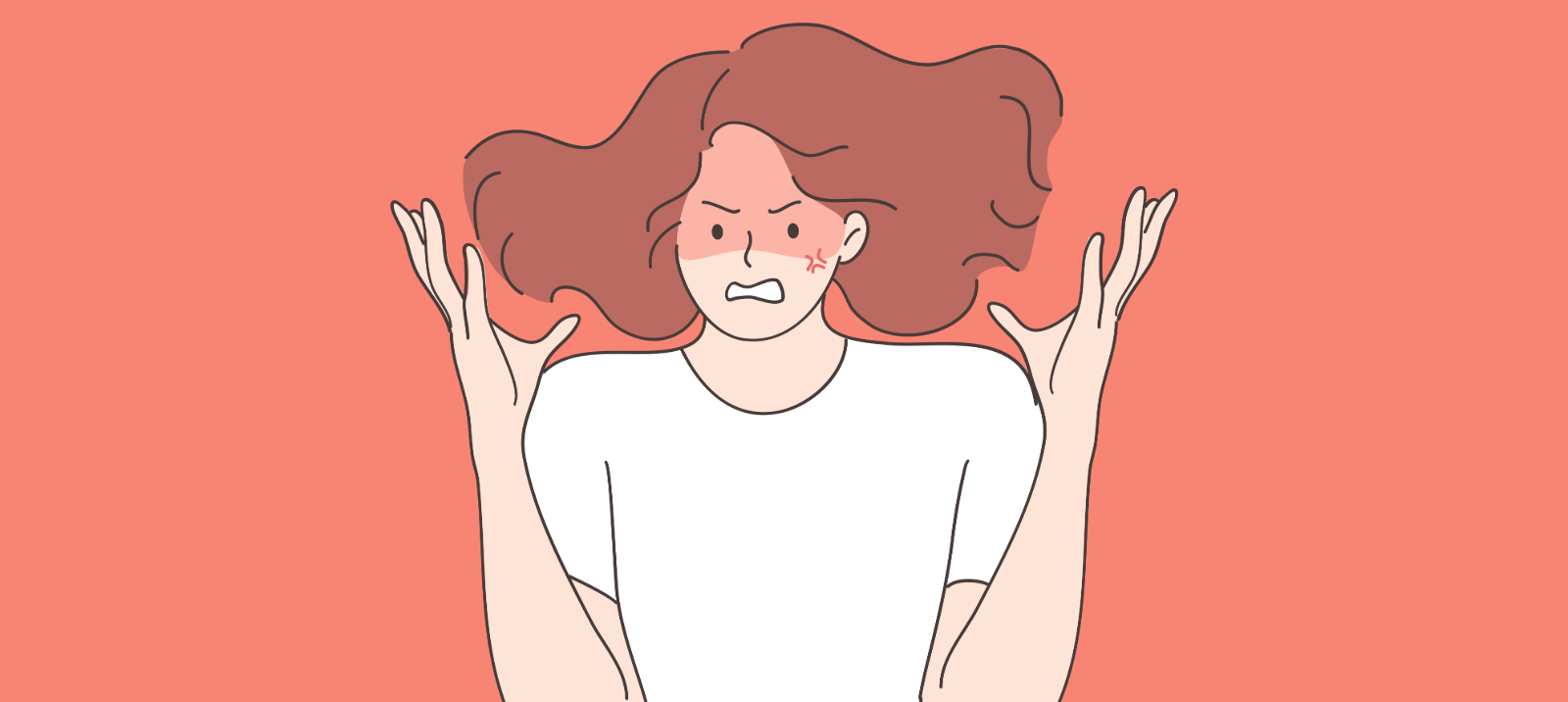
Anxiety and anger may not seem related. Anxiety is often associated with fear, and fear is considered by many to be the opposite of anger - something that people may feel they need in order to attack danger. Sometimes behind the anger are actually feelings of worry and fear, and the anger itself can become a further source of anxiety. Some people who struggle with anger may have a hard time expressing their worries and concerns. They may feel “weak” doing so and have had very little practice asking for help. Becoming angry may have become the way they express their feelings.
But for some people their anger is a symptom of underlying anxiety, and that anger may actually be directly related to the physiological reaction that occurs when faced with dangerous situations.
Anger and Anxiety
Anger can have many triggers. Interestingly, the anger itself may be a cause of anxiety on its own. Many people experience profound anxiety as a result of their anger episodes, due to their fear of losing control and the stress that they experience in their life as a result of that anger.
Why Am I Angry for No Reason?
Anger can be hard to understand. But it rarely occurs for completely "no reason." Usually, when a person experiences anger, it it may relate to them feeling overwhelmed, powerless, scared, or threatened. There can be many potential causes. But there are also potential solutions. We explore these below.
Causes of Anger Anxiety
Anxiety itself is the emotion caused by the activation of the fight/flight response in the body. It can become unhelpful in situations where the physical effects of fight or flight are not advantageous (e.g. Not a survival situation) or the response continues for a longer time. That creates a variety of unwanted physical and mental experiences that can impact your quality of life.
But the fight/flight system is called that for a reason. Once it's activated, it triggers the physiological responses that are thought to enhance survival in a dangerous situation - to react with the bodily tools necessary to flee or or to to fight.
But when the fight or flight system is activated without the presence of physical danger, the emotions a person experiences can be more complex than fear alone. For example:
- Irritation Anxiety is an emotion that can make you sensitive to becoming annoyed and irritated. Irritation is also a negative experience that can trigger anger. Those that have constant irritation may feel bothered by others, and respond by becoming angry, or they may be frustrated by anxiety in general and anger becomes an outlet.
- Loss of Control Anger is also a natural response for many when they don't feel they're in control. Anxiety can make people feel as though they are losing control. This is especially common in panic attacks, along with other anxiety disorders. Many people that suffer from anger issues may be experiencing the effects of no longer feeling in control of their lives.
- Desire to Pass Blame One response that some people have to stress is the feeling that others are contributing to it, especially when that stress is so hard to understand - like with anxiety. This may cause people to pass blame - intentionally or unintentionally - to others as a way of explaining away their unusual symptoms.
In addition, it's important to remember that while anger can be a symptom of anxiety, it can also be a cause. Those with anger issues may cause stresses in their life, such as upsetting those close to them, that leads to further stress and anxiety. This can become a cycle of anger and anxiety.
Controlling Anger From Anxiety
When anxiety results in anger, it can be very frustrating. It's not necessarily something that can simply be controlled and reduced right away. It often takes a great deal of time and effort, as well as a commitment to ensure that you're able to control this symptom. You'll have to work on two separate issues:
- Managing Your Anger
- Managing Your Anxiety
Even though anger is the result of your anxiety, you'll still want to learn how to handle situations where anxiety is present. Some amount of stress and anxiety is natural, but if it’s getting in the way of your life it may be something to address.
How to Control Your Anger
Anger management classes can be immensely beneficial, but let's look at other ways to control your anger from anxiety. You'll want to focus on learning how to react to your anxiety in a way that isn't anger related. Consider the following:
- Anger Thoughts Journaling Often anger builds up, and leads to thoughts that are hard to control. Journaling (writing out thoughts in a journal) gives you a place to express all of those angry thoughts before they become bottled up, so your mind stops focusing on them as often.
- Close Eyes/Slow Breathing When the anger comes from irritation, or because you feel like you're losing control, you need to find a quick way to take a step back. Start by closing your eyes (if it's safe to do so), because this reduces the visual stimulation around you. Then, start slow breathing to calm your heart rate and reduce your strong negative emotions.
- Be Mindful It may also help to teach yourself mindfulness, which is the ability to stay present in the moment and be aware of your emotions and thoughts. By learning mindfulness, you give yourself an opportunity to analyze how you feel and potentially challenge those thoughts so that you can calm yourself down.
These are only temporary solutions because you'll still need to control the anxiety itself. But they'll at least get you started in learning to respond to issues without anger.
How to Control Your Anxiety
Because anger, in this case, is an anxiety problem, you'll need to learn to control your anxiety altogether if you want to stop feeling angry.
There are several effective stress reduction strategies, including:
- Deep Breathing
- Progressive Muscle Relaxation
- Yoga
All forms of exercise are crucial for controlling both anxiety and anger as well, because they're used to reduce pent up energy and frustration in a way that few other things can.
But you'll also need to focus on simply learning to understand how to cope with anxiety and stress in a way that works for you. Coping is your brain's ability to simply get over a problem without making it a big deal. It's something that can be learned, but only if you are able to recognize the causes of your anxiety and how to adapt to them.


 Trusted Source