



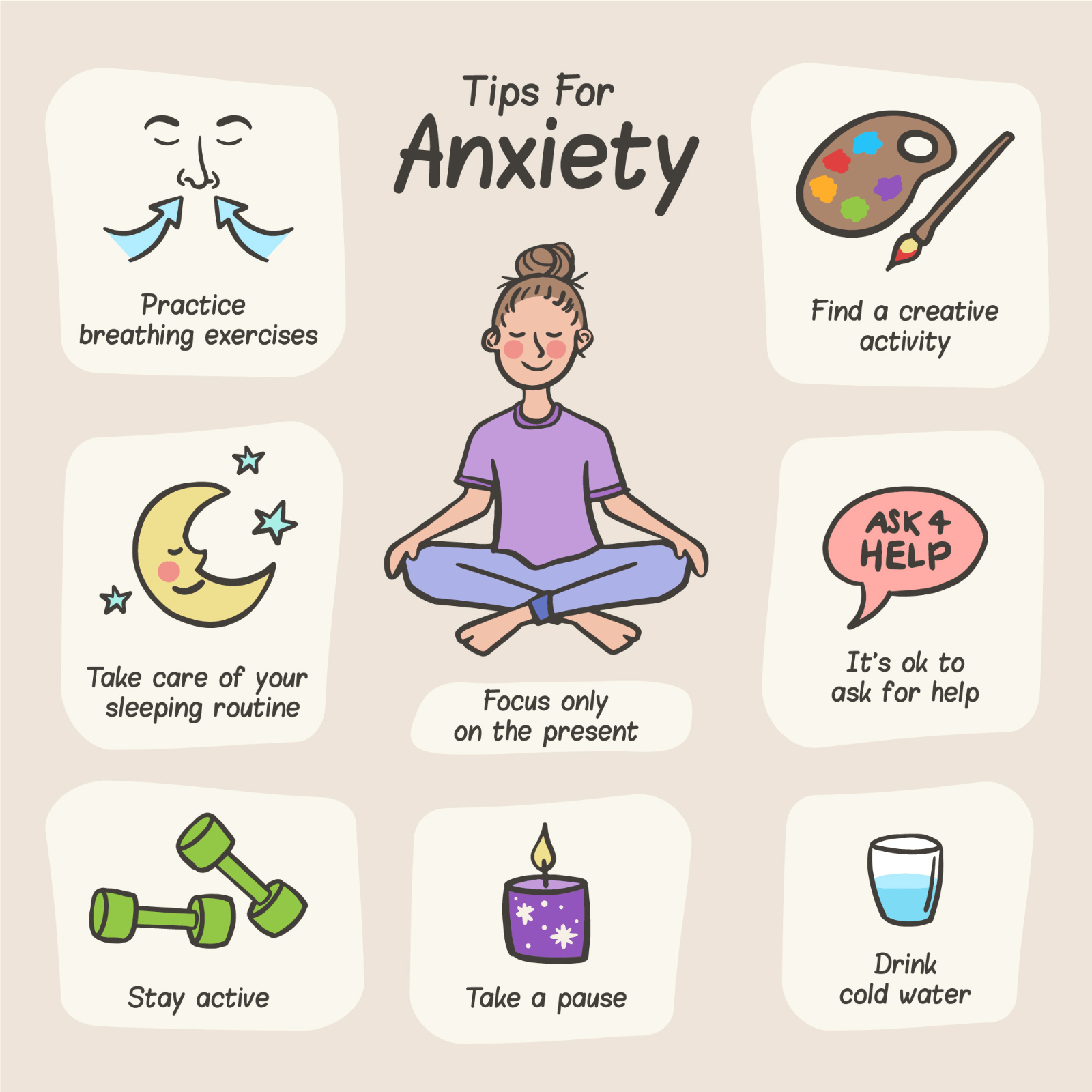
Stress is a normal part of life. Stress warns you that you're encountering problematic situations, and is designed to motivate you to take action to reduce that stress and make your life better. Without stress, you wouldn't feel any motivation to make your life better. You would take risks without regard for the consequences and make decisions that affect the course of your life without any critical thinking to ensure it's what's best for you. In small amounts, stress is actually a good thing.
But when that stress starts to become unreasonable – when that stress starts to affect you every day, causing you to feel sick, anxious, unhappy, or fatigued – then your levels of stress have become a serious problem.
What Does Long-Term Stress Do?
Stress changes every component of your body. In excess, stress makes the long-term outlook of your life considerably worse. Stress:
- Reduces hormone function.
- Damages organs.
- Weakens your immune system.
- Puts you at higher risk of cancer.
- Causes memory loss and concentration issues.
- Develops mental health disorders.
That latter point is important. Long-term stress is one of the key contributing factors in the development of numerous types of mental health disorders and puts you at severely increased risk of developing serious conditions like anxiety and depression. In addition, these conditions lead to further stress, resulting in a vicious cycle that can damage your quality of life.
What is the Link Between Stress and Anxiety?
Stress and anxiety are not entirely different conditions. In many ways, anxiety may be considered long-term stress, and long-term stress may be a component of an anxiety disorder. Their similarities and relationships are some of the reasons that those that experience any one for an extended period often experience the other for much longer.
It's not clear why anxiety and stress seem to contribute to each other, but there are several proposed possibilities. These include:
- Poor Coping Response Both anxiety and stress are often related to problems with life coping. While generally coping issues come first (followed by stress/anxiety), dealing with these issues for an extended period can damage your ability to cope even further – opening up the door for the other to occur.
- Hormone/Neurotransmitter Misfiring Another probable cause of both conditions has to do with damage to the mind and body when you deal with any one condition for an extensive period. Many people believe that your body starts to fire the wrong amounts of neurotransmitters (brain chemicals), adrenaline, and cortisol because it becomes harder for your body to regulate.
- Negative Thinking Both stress and anxiety create negative thinking, and negative thinking is very closely related to coping with both of those issues. For example, if you're stressed, you'll believe that you're bound to experience troubles in the future, leading to anxiety over the future, and so on.
It's very likely that stress changes your brain chemistry, physical health, and your ability to cope with future issues, leading to the development of anxiety and/or an anxiety disorder. When that occurs, anxiety and stress start to contribute to each other.
One of the best examples of this is post-traumatic stress disorder or PTSD. PTSD is an anxiety disorder that occurs after an extremely traumatic event. The stress is so strong and so powerful, that the person's anxiety levels change from that moment onward.
When it comes to stress anxiety, there is some good news and bad news. The bad news is that unchecked, you can continue to develop severe anxiety and stress coping problems that can alter your quality of life. The good news is that even if stress causes you to experience severe anxiety, that anxiety can be addressed and cured using the right anxiety reduction strategies and techniques. Your brain is a powerful tool, and even when its brain chemistry is altered, it's possible to cure it.
Contributing Factors to Chronic Stress
Remember, any chronic stress can eventually develop into anxiety, and there are multiple issues that lead to chronic stress. Stress also may not have an apparent cause – some people simply feel like something is wrong, or they have lost their coping ability for smaller life stresses. While chronic stress can be attributed to something in your life (work, home), it should be noted that if you experience stress for a long enough time, you may find you have a hard time shaking it even when/if your life gets better.
There are often external and internal factors to chronic stress. They include:
Work related pressures
- Relationship troubles
- Family related pressures
- Financial difficulties
- Social expectations
Internal Factors
- Bad coping skills
- Weak health and fitness levels
- Poor nutritional status
- Low emotional well-being
- Sleep problems / deprivation
It's crucial to remember that chronic stress is not just mental. A lack of exercise/activity can also be a significant contributing factor for the development of stress and anxiety. Your body, even without you realizing it, experiences less stress, and in turn, this starts to affect your overall stress levels.
Another cause of chronic stress is dependency on inadequate coping strategies. For example, those that self-medicate with alcohol can actually lose their ability to manage their stress. That's because those types of coping strategies numb stress without actually reducing your stress, and eventually your mind starts to depend on the numbing as you lose your ability to cope with stress naturally.
Effective Stress Management Techniques In order to reduce your anxiety, you're going to need to learn to manage your stress better. It starts by avoiding any "quick fixes." When people talk about stress coping, they're talking about your own mind's ability to overcome stresses. You can't learn to do this if you depend on alcohol, drugs, or even gambling/partying as your way to cope with stress. You have to be willing to let yourself feel stressed in order to learn how to overcome it.
Removing yourself from stressful situations is also important, but obviously, there is only so much that one person can do. Still, you will need to make some tough decisions. Can you find a new job? Is it time to leave the relationship? Do you need some new friends? If the tough choice is the better choice, you'll need to make it.
You can and should also integrate the following into your life:
- Exercise You need to stay active. People think of exercise as a physical fitness technique. But exercise is much more than that. It plays a key role in stress reduction because it burns away many of the stress hormones while releasing chemicals that improve mood. Those that don't exercise are far more prone to stress, and so it's crucial that you get yourself outdoors and try your best to stay moving.
- Do Things Staying busy is also important. Stress tends to make you feel like you need time alone, in quiet. It sounds like a good idea, but it's not advantageous to stress management. Creating new happy memories, staying active, and giving yourself positive experiences and more to look forward to is much more important. As long as those activities aren't "self-medicating" (meaning, no partying to control your stress), you'll see the benefits.
- Goal Setting You need to set goals for yourself as well. Realistic goals that you can reach, but will take you a while to accomplish. Goals ensure that you're always at least a little focused on the future because stress tends to over-focused you on the present, and the present is stressful.
You should also utilize various stress reduction strategies, like meditation and progressive muscle relaxation. These strategies are an effective way to control stress at the moment, and the more you can control smaller amounts of stress, the less other stresses will affect you.
Reducing Anxiety and Reducing Stress
Still, once you have developed chronic stress, you're going to need something more to curb it. You're going to need to find a way to drastically cut down on your overall stress and anxiety levels – a method of relieving anxiety that will help you control stress in the future.


 Trusted Source